
01
Ambient Receiving
Unload ingredients, cans, bottles, cartons, packaging, and other palletized goods. Check dock height, trailer entry, load stability, floor condition, and the first temperature transition.

Quick Quote
Share the product type, quantity, working conditions and destination. Anxing Machinery will use your details to prepare the next step.

Industry Solution · Food, Beverage & Cold Chain
Move ingredients, packaging, beverages, finished food, and temperature-controlled pallets with equipment selected for the actual environment. Anxing Machinery helps importers, distributors, food processors, beverage plants, cold-store operators, and logistics buyers review load flow, temperature zones, condensation, floor conditions, hygiene controls, shift intensity, and charging requirements before choosing an electric forklift.
Electric forklifts are a natural starting point for many enclosed food and beverage operations because they produce no exhaust emissions at the point of use and operate with relatively low noise. Cold and frozen areas add another level of complexity. Low temperature can affect battery performance, lubricants, hydraulics, seals, displays, and operator comfort, while repeated movement between cold and warm zones can create condensation. A standard catalogue truck should never be assumed to be suitable for a cold store without a model-specific technical review.
Start With the Zones
Equipment should be selected around the complete route. A truck that performs well in ambient dry storage may need additional protection or a different operating plan before entering chilled, frozen, wet, or frequently changing temperature zones.
01
Unload ingredients, cans, bottles, cartons, packaging, and other palletized goods. Check dock height, trailer entry, load stability, floor condition, and the first temperature transition.
02
Supply lines and move finished pallets in enclosed work areas. Electric equipment avoids engine exhaust at the point of use, but site hygiene, cleaning methods, traffic controls, and restricted zones still need review.
03
Repeated operation in refrigerated rooms requires confirmation of the actual temperature, time spent inside, humidity, floor moisture, door cycles, and battery duty.
04
Sub-zero environments demand an application-specific review of cold conditioning, fluids, seals, electrical protection, battery behavior, corrosion exposure, tires, and operator protection.
05
High-throughput movement between storage, staging, and refrigerated vehicles can expose the truck to temperature changes and condensation. Route design and dwell time affect reliability.
Application Challenges
Battery performance can change in low temperatures. Daily energy planning must reflect the actual time inside each zone, load intensity, travel, lifting, door cycles, and charging location.
Moving a cold truck into warm, humid air can produce moisture on electrical and mechanical components. Re-entry before moisture has dispersed may create reliability and freezing risks.
Water, ice, product residue, dock plates, and worn floors affect braking and traction. Tire choice cannot replace housekeeping, drainage, surface maintenance, speed control, and route management.
Humidity, salt, cleaning chemicals, and repeated washdown can accelerate corrosion or damage unprotected components. Provide the exact cleaning method; do not pressure-wash a forklift unless the manufacturer specifically permits it.
Bottled and canned beverages can create heavy, compact pallets. Pallet weight, stack height, load center, wrapping, fork entry, and residual capacity must be verified rather than estimated from product type.
Cold space is costly, so racking can be dense and aisles tight. Turning radius, right-angle stacking, rack height, overhead guards, door openings, and pedestrian traffic shape the equipment choice.
Environment Selection Matrix
The descriptions below are application filters, not universal temperature ratings. Suitability and available options must be confirmed for the individual Anxing model before ordering.
| Operating Zone | Equipment Starting Point | Primary Review | Buyer Caution |
|---|---|---|---|
| Ambient food or beverage production and dry storage | Electric Forklift or Electric Stacker | Load, aisle, floor, hygiene controls, operating hours, battery, and charger | Confirm cleaning exposure, restricted zones, and site rules even when temperature is normal |
| Refrigerated or chilled room | Application-reviewed electric forklift | Minimum temperature, duration, humidity, transitions, battery behavior, seals, lubricants, and tires | Do not assume a standard configuration is suitable because the truck is electric |
| Frozen or sub-zero storage | Cold-conditioned configuration, if available and approved for the selected model | Continuous versus intermittent exposure, condensation, cold-rated components, storage, charging, and operator protection | Written confirmation of the specified operating conditions is essential |
| Frequent cold-to-warm movement | Application-reviewed electric forklift with a managed route | Dew and condensation cycle, dwell time, staging area, drying practice, and component protection | Temperature transition may be more demanding than operation in one stable zone |
| Outdoor receiving or dispatch yard | Outdoor-compatible electric model or diesel forklift, depending on site | Ventilation separation, surface, weather, slope, duty cycle, emissions rules, and refueling or charging | Diesel equipment should not be treated as the default choice inside enclosed food areas |
Recommended Product Solutions
01
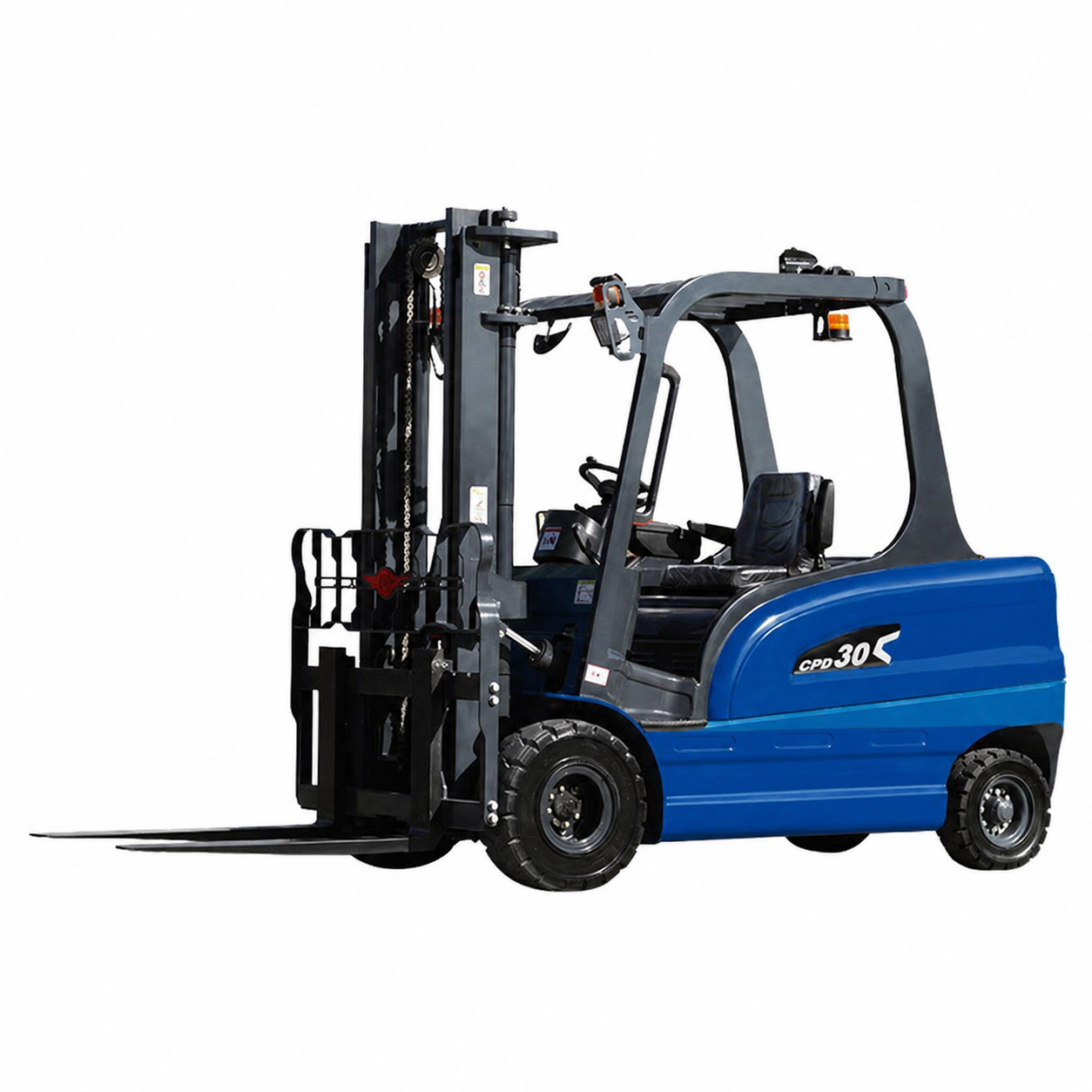
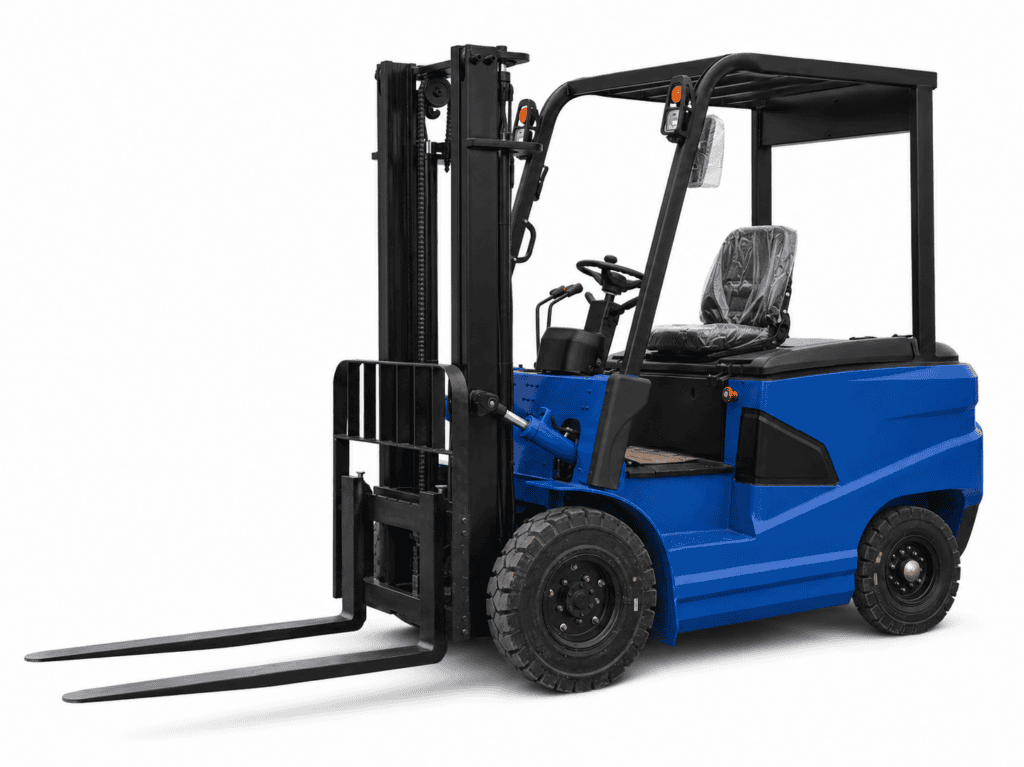
Anxing electric forklifts are the primary product to consider for pallet loading, production supply, block stacking, storage transfer, and dispatch in compatible food and beverage facilities. Their counterbalanced layout handles varied pallet tasks without support legs extending around the load.
Cold-chain note: Refrigerated and frozen applications require separate confirmation. Provide minimum and maximum temperatures, exposure time, transition frequency, humidity, cleaning method, daily hours, and charging location so available cold-environment measures can be reviewed.
View Electric Forklifts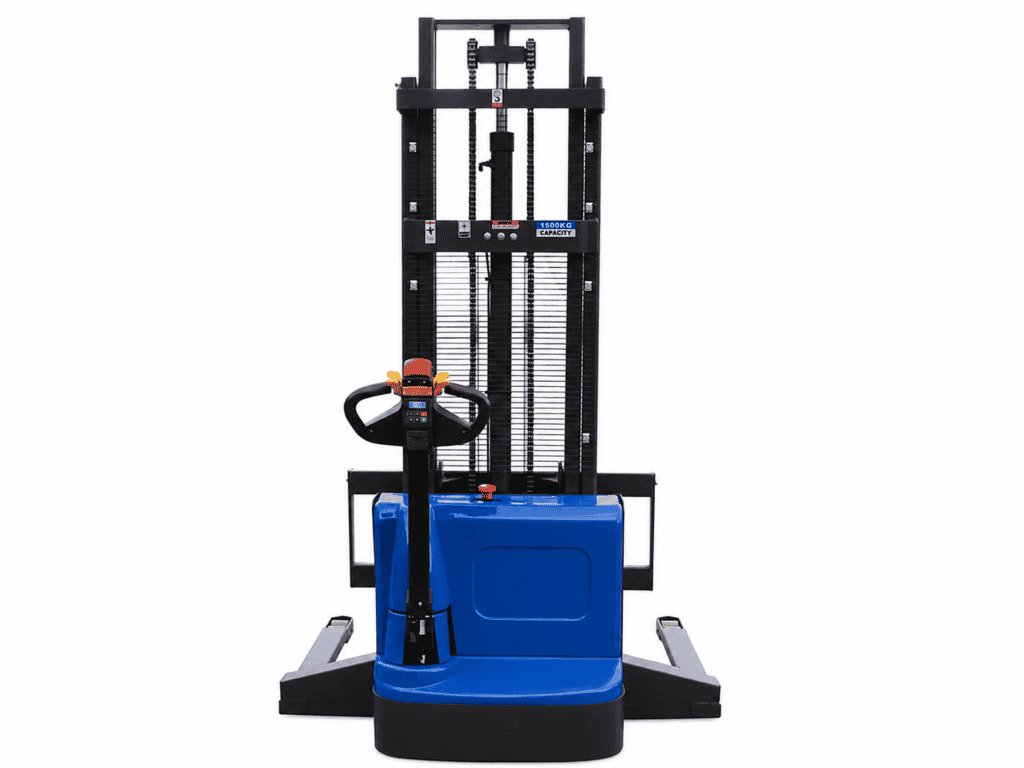
02
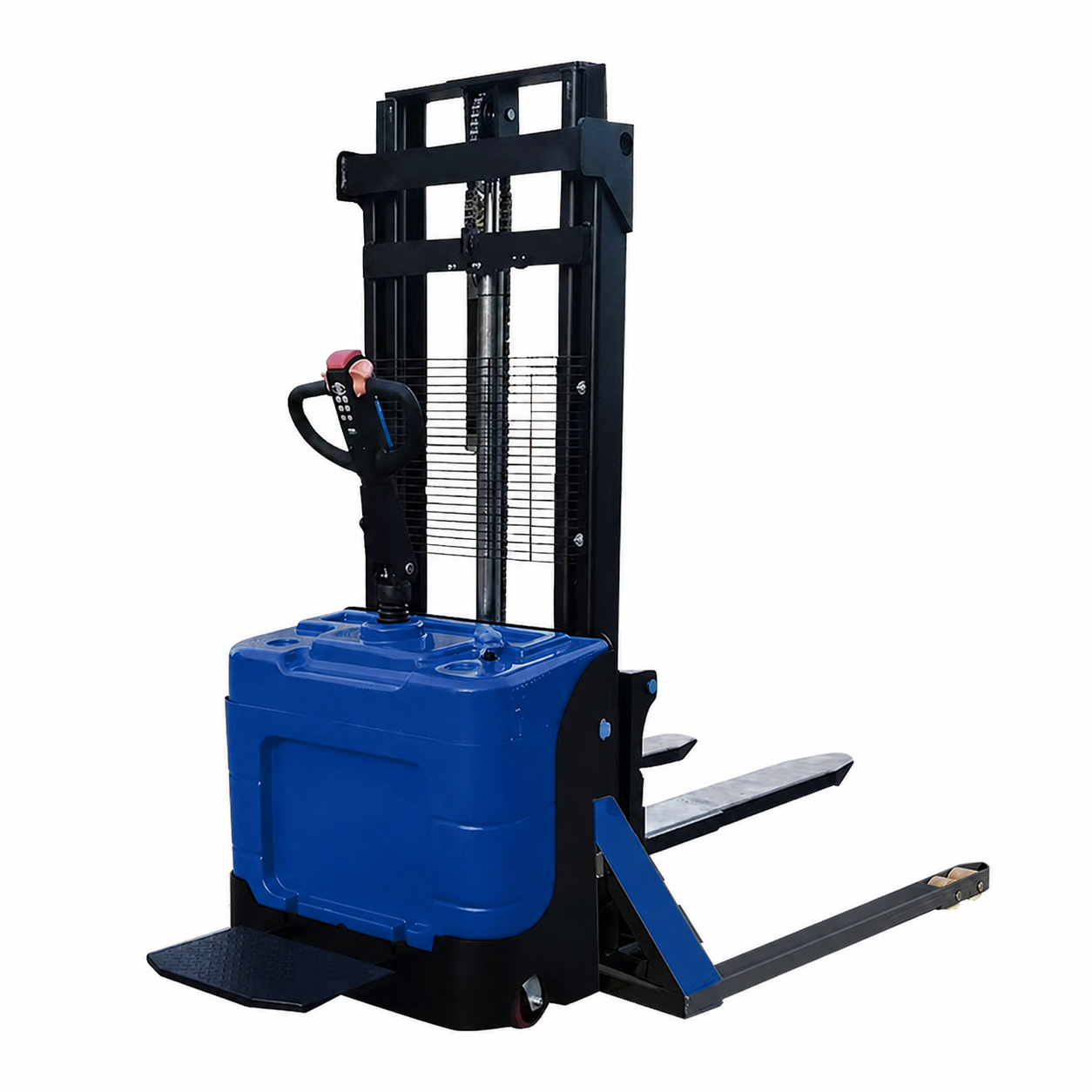
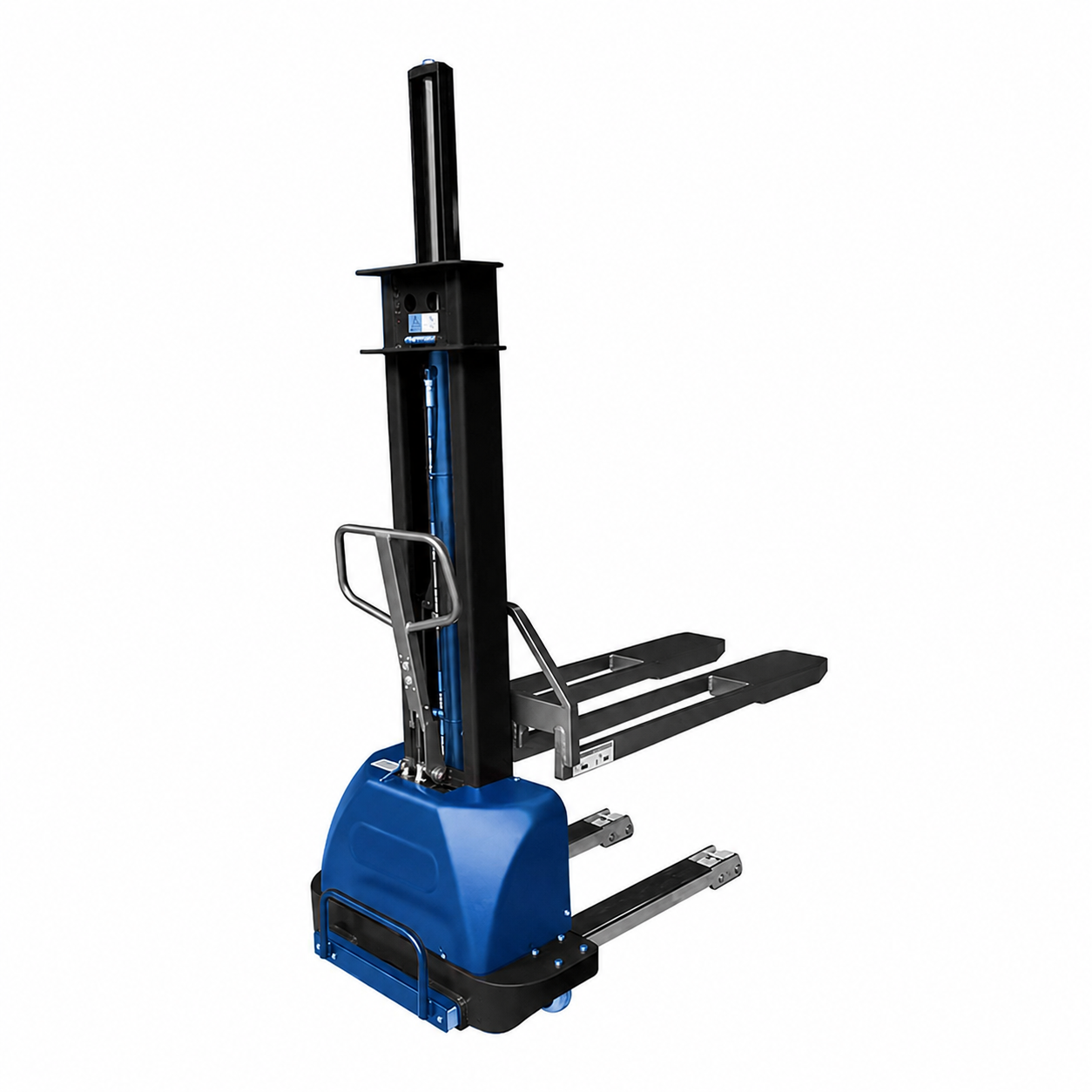
Anxing electric stackers may suit smaller food stores, packaging areas, ingredient staging, retail back rooms, and short-distance pallet stacking. They offer a compact alternative where a counterbalanced forklift is not required.
Selection note: Pallet underside design, support-leg clearance, aisle width, lift height, floor condition, load weight, and residual capacity must be checked. Cold-area suitability is model- and configuration-dependent and should not be assumed.
View Electric Stackers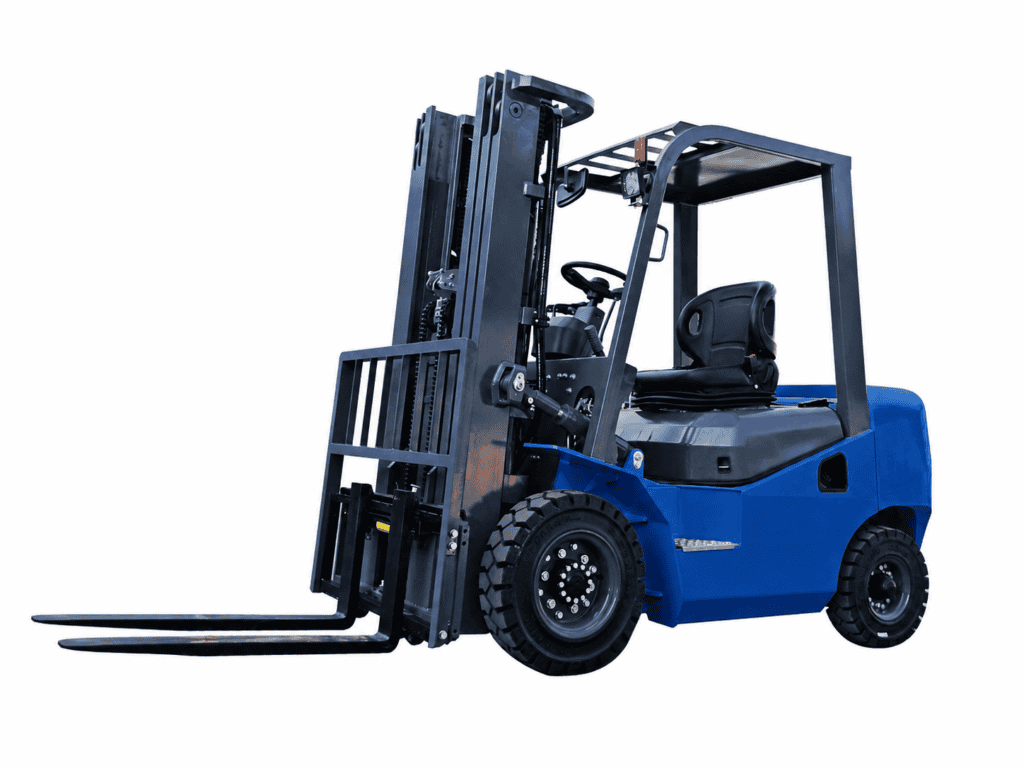
03
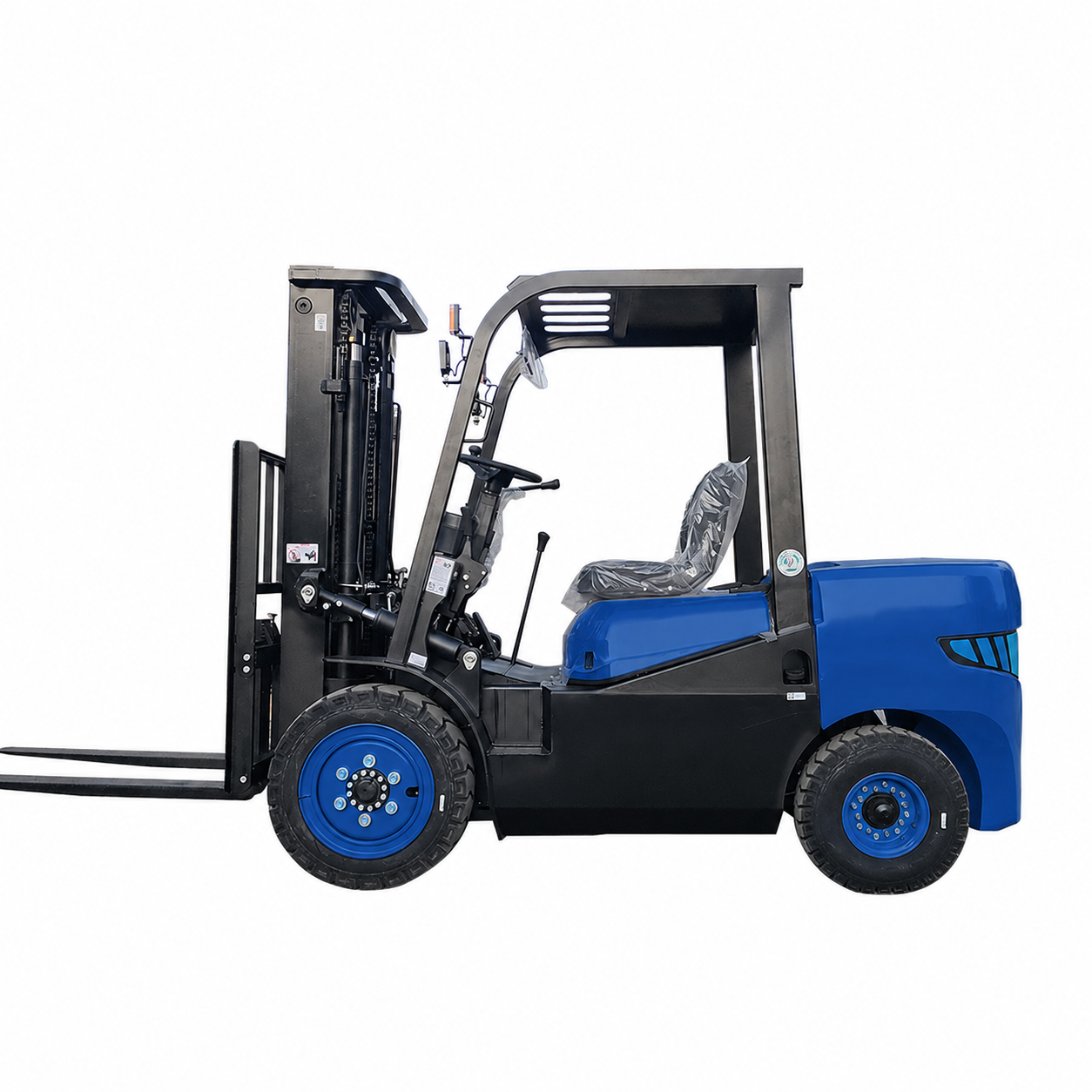
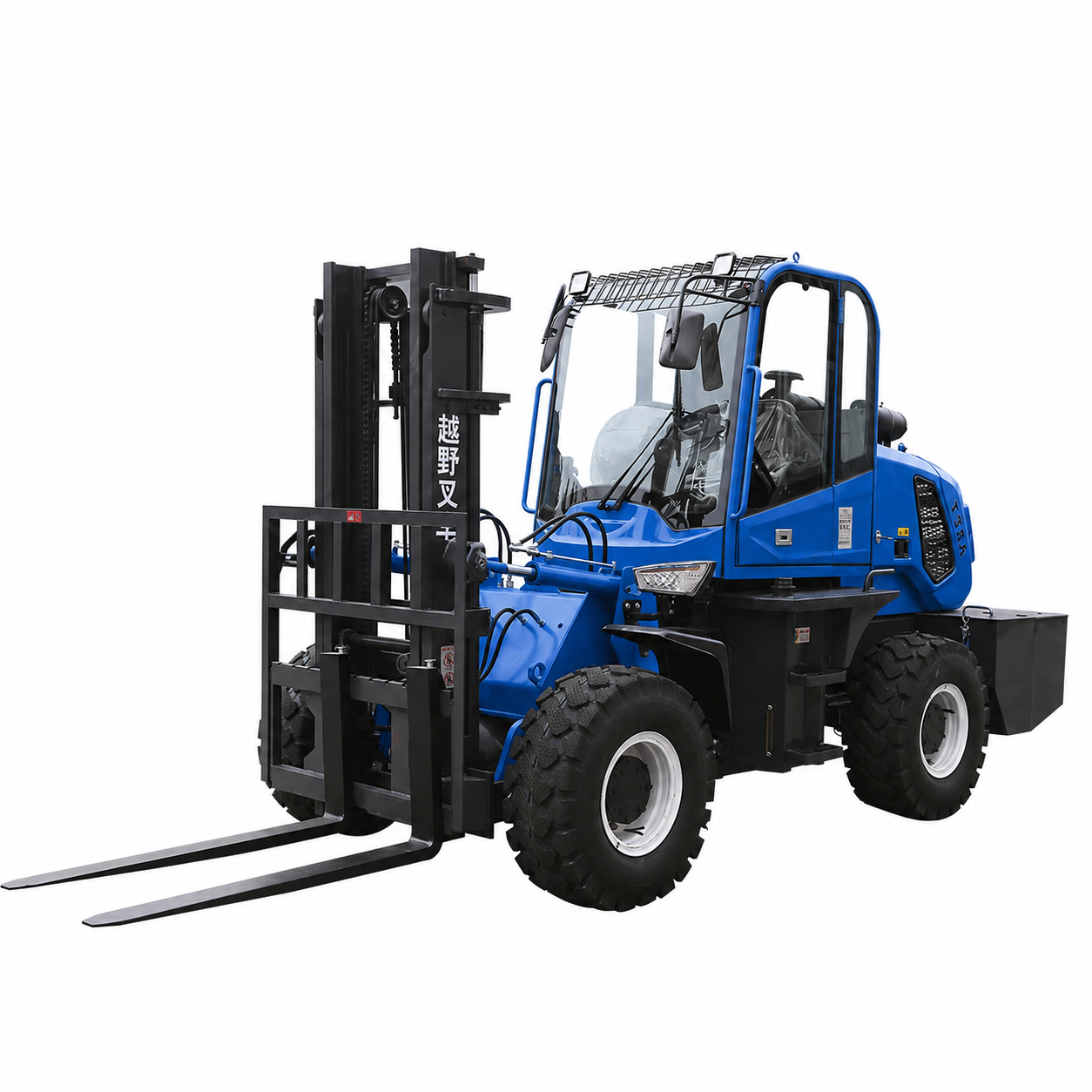
Anxing diesel forklifts can be considered for demanding outdoor receiving yards, container unloading, and dispatch areas where site rules permit internal-combustion equipment. They are not the first recommendation for enclosed food production or cold rooms.
Selection note: If the route crosses from the yard into enclosed food handling areas, review whether the load should be handed over to electric equipment at a controlled transfer point.
View Diesel ForkliftsCold-Environment Review
Cold-store capability is a complete-system question. A single option cannot make every standard forklift suitable for every temperature.
Typical Operating Models
Use electric forklifts for receiving, ingredients, packaging, and finished-goods transfer on controlled floors. Review hygiene zones, cleaning exposure, pallet condition, aisle traffic, and charging outside critical production paths.
High-density bottle and can loads can be heavy, while dispatch peaks can be intense. Confirm maximum pallet weight, stacking pattern, load center, fork length, traction, duty cycle, and battery reserve.
A truck may alternate among cold rooms, staging, docks, and vehicles. Map the entire temperature route and time in each zone before deciding the cold protection and battery plan.
Use only a configuration confirmed for the specified sub-zero conditions. The plan should include truck storage, charging, condensation control, cold-suitable components, operator protection, floor maintenance, and service access.
Different product groups may occupy ambient, chilled, and frozen zones. Separate equipment by zone where practical, or carefully control transitions to reduce condensation and unnecessary thermal cycling.
A site may use outdoor equipment at the container or yard and transfer the load to electric forklifts for enclosed handling. Define the handover point, pallet flow, ventilation boundary, and traffic rules.
Quote Preparation
| Selection Area | Information to Provide | Why It Matters |
|---|---|---|
| Products & Loads | Food or beverage type, maximum pallet weight, dimensions, load center, wrapping, pallet material and entry | Defines capacity, forks, load stability, and attachment requirements |
| Temperature Zones | Minimum and maximum temperature, humidity, time per zone, transition frequency | Determines whether standard equipment is suitable and what cold-environment review is needed |
| Facility | Aisle, rack, doorway, ceiling, dock, trailer, floor, slope, drainage, and route dimensions | Controls mast, turning, traction, clearance, and equipment type |
| Workload | Hours per shift, shifts per day, pallet moves, travel distance, peak periods | Supports battery, charger, fleet quantity, and availability planning |
| Cleaning | Cleaning method, chemicals, frequency, washdown exposure, restricted zones | Identifies moisture, corrosion, and component-protection risks |
| Charging & Storage | Available voltage, phase, frequency, location temperature, space, and charging windows | Confirms charger compatibility and a workable energy routine |
| Destination | Country, applicable standards, language, quantity, delivery timing, branding and documentation | Supports market configuration, quotation, production, and shipping planning |
Application-Led Purchasing
Provide temperatures, humidity, transition frequency, load data, dimensions, surface conditions, shifts, charging power, cleaning methods, and destination requirements.
We identify which tasks may suit a standard electric configuration and which require cold, moisture, corrosion, tire, battery, or other application-specific review.
Capacity, mast, fork, tire, battery, charger, available protection, quantity, labels, manuals, and OEM & ODM needs are documented before order confirmation.
The confirmed specification guides production and inspection. Buyers can also review Anxing information on our About Us and Certifications pages.
We coordinate shipping and delivery and provide available operating, parts, and after-sales service information for the supplied configuration.
Operational Responsibility
The owner and operator should complete a site-specific risk assessment, follow the equipment manual and local regulations, train and authorize operators, inspect the truck, maintain floors and drainage, control ice and moisture, separate pedestrians, protect docks and charging areas, manage speed, and use only approved loads and attachments.
Food-safety plans and forklift-safety plans are related but not interchangeable. The facility should define where equipment may travel, how it is cleaned, which substances may be used, and how contamination risks are controlled. Equipment must never be exposed to unapproved pressure washing, immersion, or cleaning chemicals.
Buyer Questions
Electric forklifts produce no exhaust emissions at the point of use and operate relatively quietly, making them a practical starting point for many enclosed production, packaging, and storage areas. The truck must still be matched to the load, floor, traffic, cleaning process, duty cycle, and temperature.
Do not assume that it can. Frozen operation may require cold-suitable components, fluids, seals, electrical protection, battery planning, tires, corrosion measures, and an approved operating range. Provide the exact minimum temperature, exposure time, transitions, and duty cycle for technical confirmation.
Low temperature can reduce available battery performance and change charging or storage requirements. The real effect depends on battery chemistry, configuration, temperature, exposure time, load, travel, lifting frequency, and charger plan. Runtime should be reviewed using the actual duty cycle.
A cold truck entering warm, humid air can collect moisture on components. If it returns to freezing conditions before moisture disperses, water may freeze and contribute to electrical, mechanical, visibility, or corrosion problems. Route, staging, dwell, drying, and inspection practices should be planned.
Only use cleaning methods specifically approved for the selected model. Standard forklifts should not be assumed to tolerate pressure washing or direct water and chemical exposure. Share the facility's cleaning method and agents before equipment selection.
The correct tire depends on the truck, maintained surface, temperature, moisture, joints, ramps, load, and operating speed. Tire choice can support traction but cannot make ice or an unmanaged slippery floor safe. Housekeeping, drainage, floor maintenance, and traffic controls remain essential.
Dedicated equipment can reduce thermal cycling and condensation, but the right plan depends on facility layout, throughput, fleet size, and handover points. If one truck must cross zones, the configuration and condensation-management procedure require careful review.
Send the load weight, dimensions and pallet type; lift height; aisle, doorway and dock dimensions; floor and ramp conditions; temperature and humidity by zone; time inside each zone; transitions per shift; cleaning method; daily hours; site power; charging and storage location; destination country; quantity; and required options.
Review the Complete Environment
Send us your pallet data, temperature map, handling route, shift schedule, charging power, and cleaning conditions. Anxing Machinery will help identify the questions that must be resolved and prepare a model-specific quotation.