Opens in a new tab
Scissor Lift Solutions for Safer, More Productive Work at Height

Industry Solution · Work at Height

Scissor Lift Solutions for Safer, More Productive Work at Height

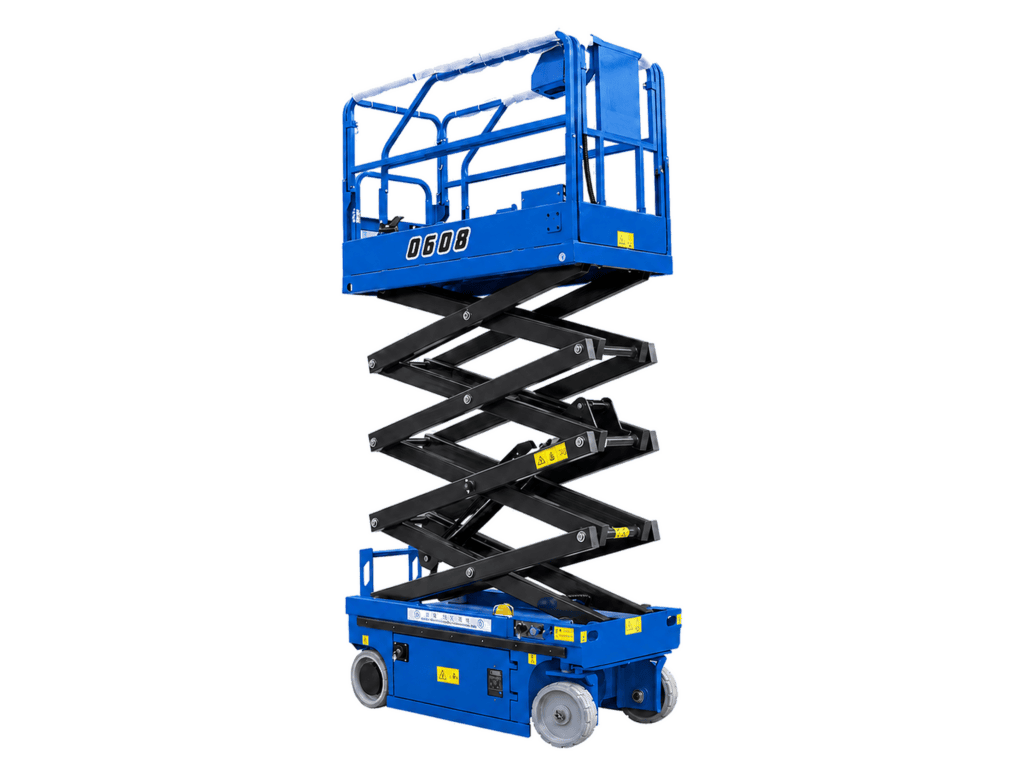
Complete installation, inspection, maintenance, fit-out, and construction tasks at height with a mobile elevating work platform selected for the real work area. Anxing Machinery helps distributors, rental companies, contractors, facility managers, and professional buyers compare scissor lifts by required height, platform load, access dimensions, floor or terrain, indoor or outdoor use, power system, and destination-market requirements.

The correct platform is not simply the model with the greatest lift height. It must reach the task, carry the intended occupants and equipment, pass through the access route, operate on the available support surface, and comply with the selected model's operating limits. Share your application with Anxing, and our team will help you turn these conditions into a practical purchasing specification.

Explore Scissor Lifts

Start With the Task

Five Questions That Define the Right Access Platform

Scissor lifts are designed primarily for vertical access. Before comparing models, establish where the machine can stand, what it must carry, and whether workers can position the platform directly below or beside the work.

01

How High Is the Work?

Measure the actual task height and confirm whether the specification states platform height or working height. Platform height is measured to the platform floor; working height is an estimated worker reach above it and may be expressed differently by different suppliers.

02

Can the Machine Stand Below the Task?

A scissor lift rises mainly vertically. A deck extension can provide limited additional access, but it does not give the horizontal outreach or up-and-over movement of a boom lift. Identify machinery, balconies, roofs, trenches, shelving, and other obstacles before selection.

03

What Must the Platform Carry?

Add the occupants, tools, materials, and accessories that will be on the platform at one time. Platform capacity is a total rated load, and the permitted number of occupants must also be respected even when their combined weight appears to remain below the capacity.

04

What Is the Access Route?

Record the narrowest doorway or aisle, lowest overhead clearance, turning space, ramp gradient, elevator dimensions and rating, floor transitions, loading-dock edges, gates, and transport limits. A lift that fits the work area may still be unable to reach it.

05

What Supports the Machine?

Review the floor capacity, slab condition, soil, compaction, slope, holes, drains, covers, trenches, edges, and weather. “Rough terrain” improves mobility on demanding outdoor routes, but it does not make unstable ground, excessive slopes, or unsupported surfaces acceptable.

Common Selection Challenges

A Height Number Alone Cannot Confirm Suitability

Restricted Indoor Access

Doors, narrow aisles, passenger or freight elevators, low ceilings, and tight turning areas can limit machine width, stowed height, length, weight, and turning radius. Measure the complete route, not only the final work position.

Sensitive or Load-Limited Floors

Finished floors, raised floors, mezzanines, parking structures, and suspended slabs require verification of machine weight, rated platform load, wheel loads or floor pressure, tire type, and the structure's allowable loading.

Outdoor Wind Exposure

Some platforms are indoor-only, while others have specific outdoor ratings or reduced outdoor height, capacity, or occupant limits. Open doors, partially enclosed buildings, wind tunnels between structures, panels, and sheet materials can all increase wind-related risk.

Uneven Jobsite Ground

Loose fill, mud, gravel, potholes, excavations, curbs, and slopes affect access and stability. Gradeability describes travel capability under stated conditions; it does not mean the platform may be elevated on that same gradient.

People, Tools, and Materials

HVAC components, pipe, cable, panels, lighting, paint, and tools can quickly consume capacity and platform space. Long or high-area materials may also be difficult to restrain and can introduce side-force or wind-loading concerns.

Obstacles and Outreach

A scissor lift is effective when the task is above or close beside the chassis. If workers must reach over production machinery, a lower roof, racking, landscaping, a trench, or another obstruction, a suitable articulated or telescopic boom may be required.

Scissor Lift Selection Guide

Which Scissor Lift Configuration Fits the Work?

The names below describe general market categories, not a promise that every Anxing model has the same rating or feature. Final selection must be based on the technical data and operator's manual for the specific machine.

Operating ConditionTypical Starting PointStrongest ApplicationsCritical Checks
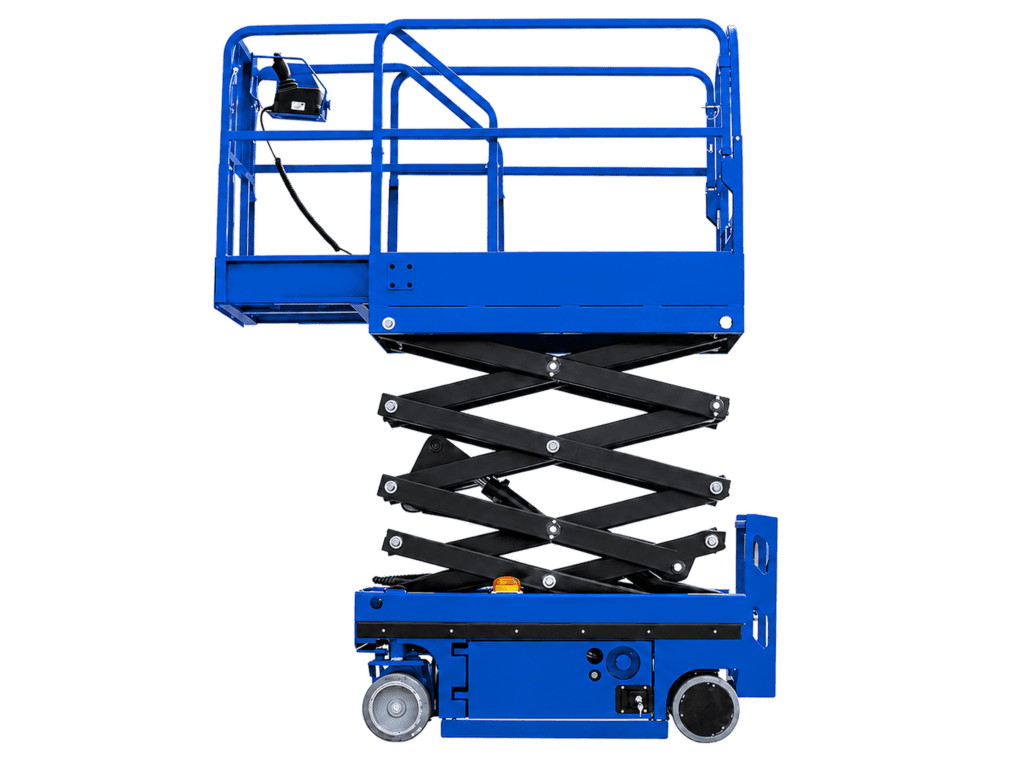
Firm, level indoor floor with narrow access and low-noise requirementsCompact electric slab scissor liftRetail, schools, hospitals, hotels, warehouses, factories, data centers, and indoor fit-outWorking height, machine width, stowed height, turning radius, machine weight, floor capacity, tires, charger input, and indoor rating
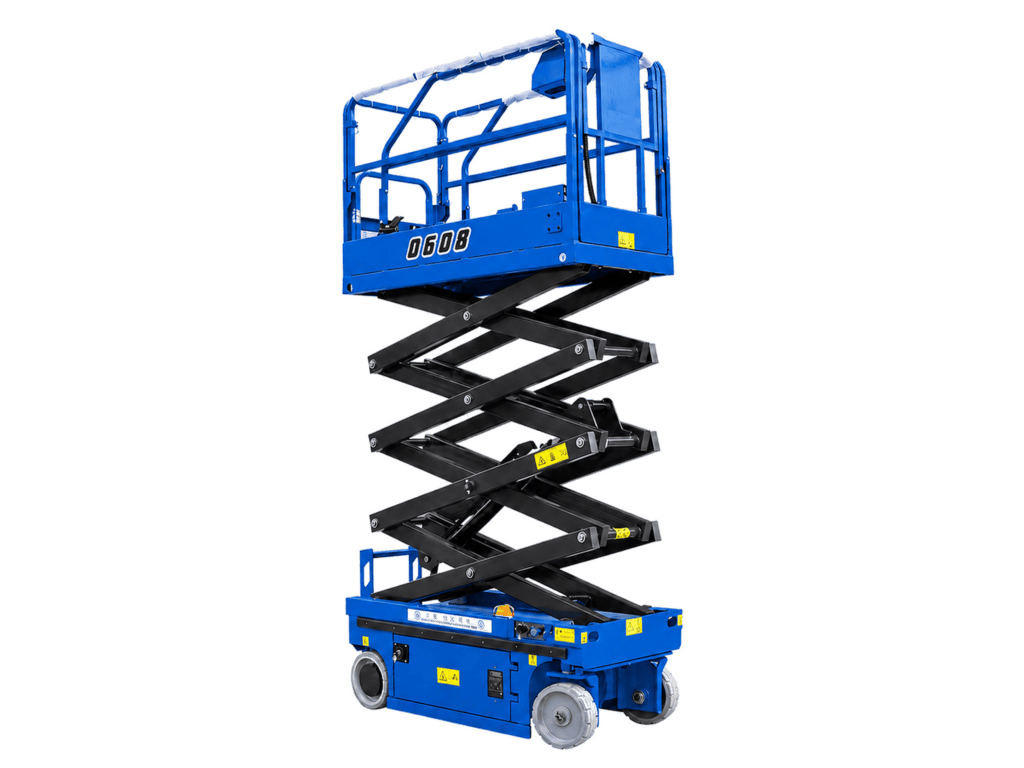
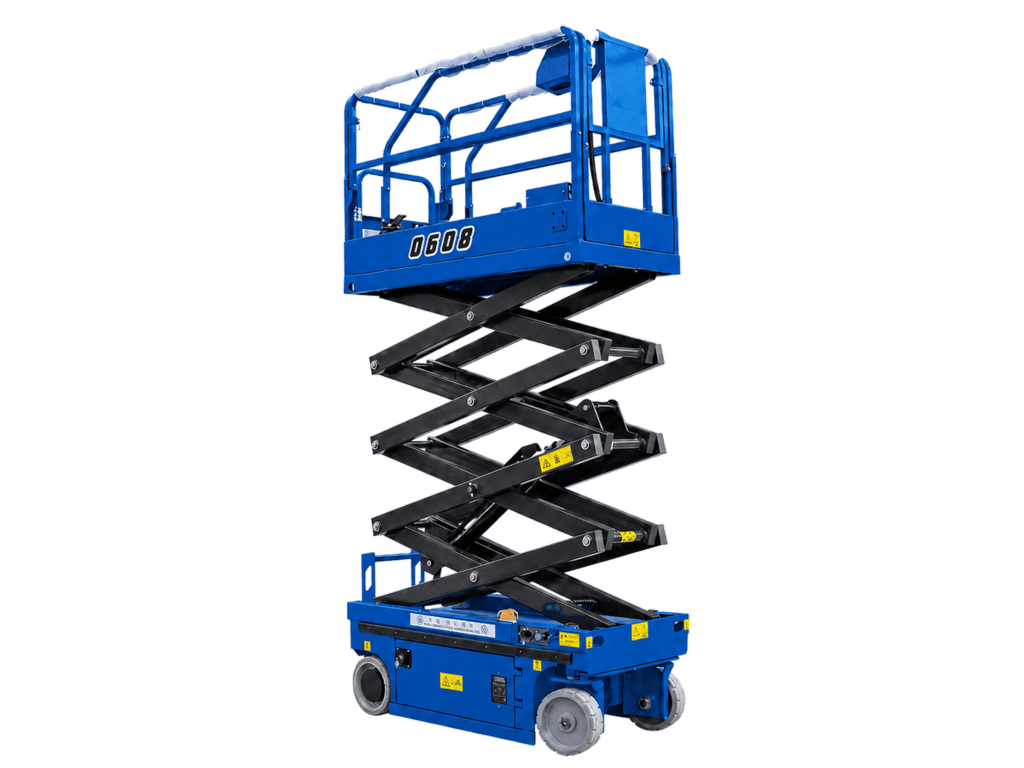
Firm, level slab where a larger deck or higher platform load is neededStandard or wide-deck electric scissor liftMechanical and electrical installation, sprinklers, ceilings, ductwork, lighting, panels, and multi-worker tasksPlatform capacity, deck size, extension-deck rating, access route, wheel loads, number of occupants, and charging schedule
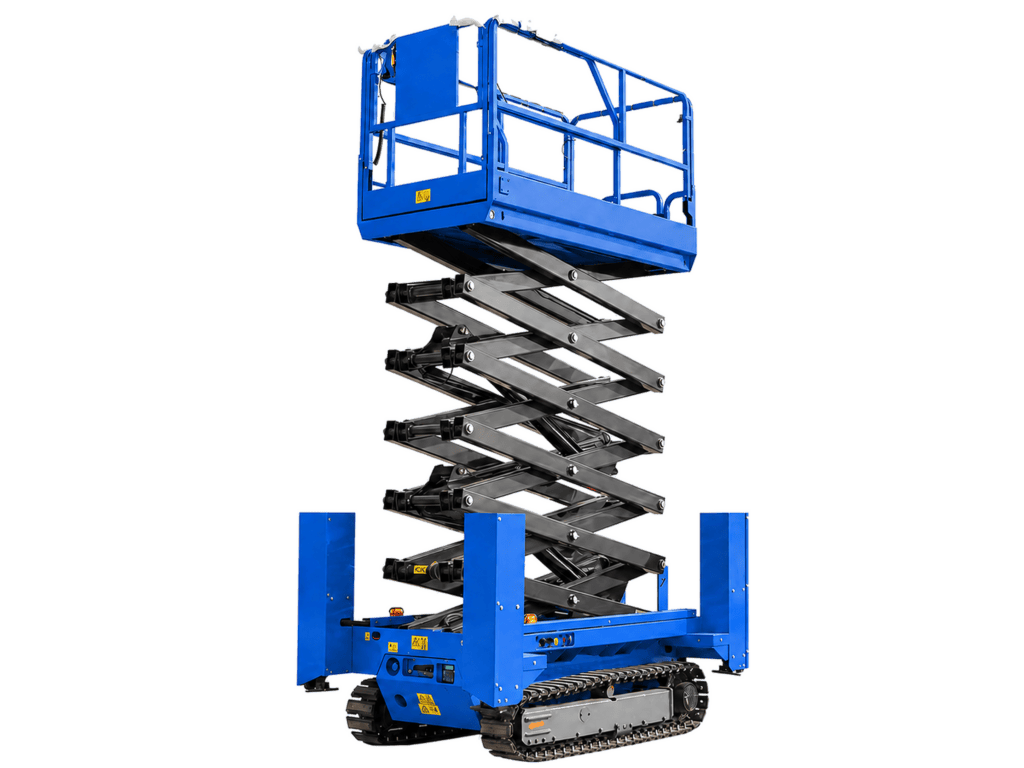
Outdoor construction with unpaved access or more demanding travel conditionsRough-terrain scissor lift rated for the intended environmentBuilding envelopes, cladding, steel or concrete construction, exterior finishing, pipe installation, and general contractingGround support, machine width and weight, traction, gradeability, levelling system, platform load, wind rating, fuel or charging access, and transport
Work above an obstacle or requiring substantial horizontal outreachCompare a suitable boom-type MEWP outside the present Anxing scissor-lift rangeOver-machinery maintenance, façades behind obstacles, roof-edge access, complex structures, and up-and-over workRequired outreach, up-and-over height, tail swing, ground, exclusion zone, rescue plan, and local availability

Browse the available Anxing scissor lifts, then send us your application data for a model-specific comparison.

Application Solutions

Plan the Platform Around the Working Environment

01

Warehouses and Logistics Facilities

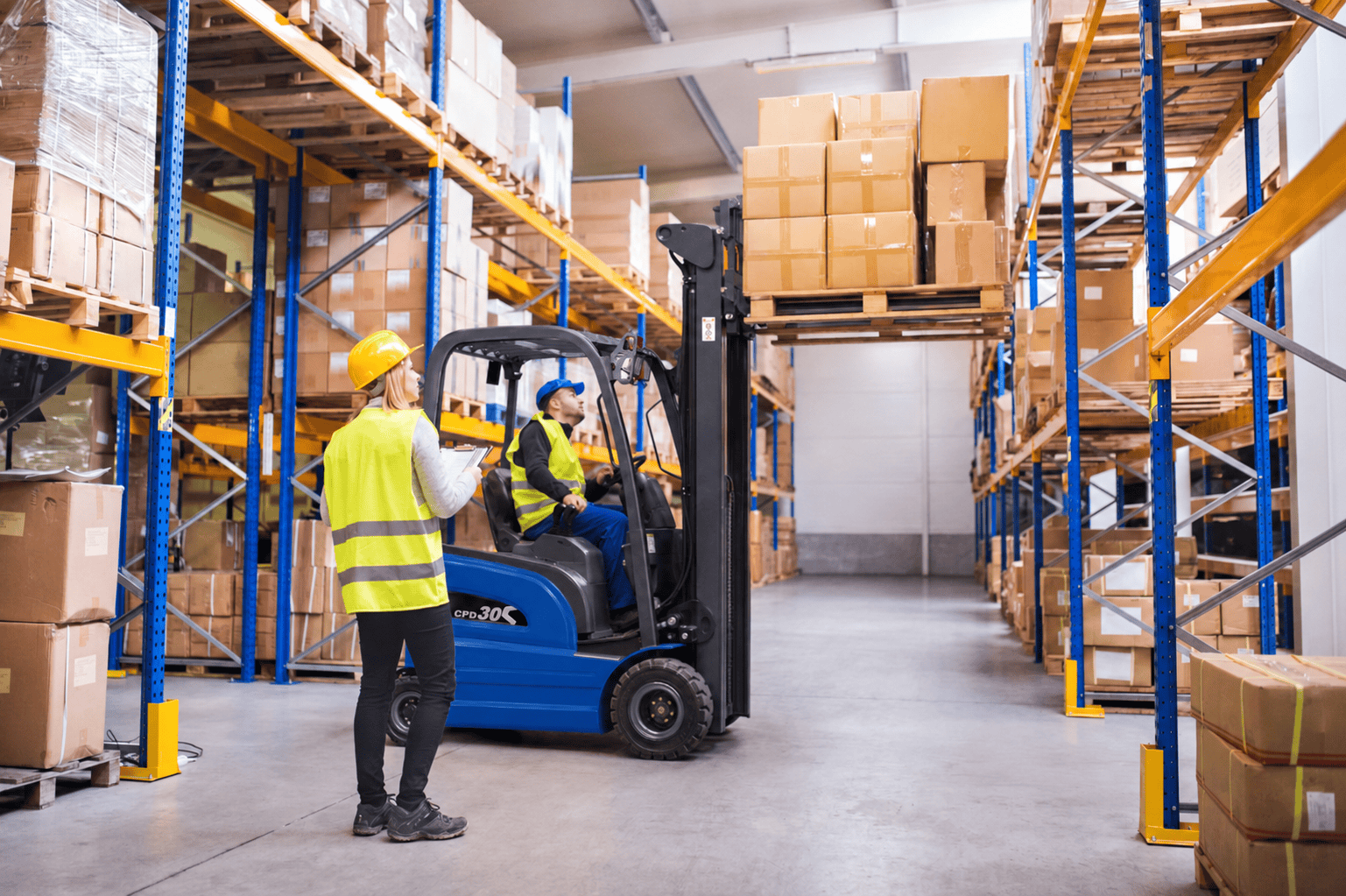
Scissor lifts can support lighting replacement, sprinkler and fire-system work, HVAC maintenance, cable routing, signage installation, racking inspection, roof or ceiling work, and building repairs. Electric power, compact dimensions, non-marking tires, tight maneuverability, and controlled indoor operation are often more valuable than rough-terrain performance.

Selection priorities:

  • Door, aisle, rack, dock, and turning-space dimensions
  • Working height beneath beams, ducts, and other overhead services
  • Floor loading, drains, covers, joints, slopes, and damaged slab areas
  • Traffic separation from forklifts, pedestrians, and automated equipment
  • Charging location, shift length, and expected travel distance

Anxing guidance: A scissor lift and a forklift perform different jobs. Do not use improvised forklift-mounted personnel platforms in place of a correctly selected MEWP. For pallet movement and stacking, see our Warehouse & Material Handling solution.

02

Factories and Industrial Maintenance

Production facilities use elevated platforms for preventive maintenance, electrical systems, overhead pipes, ventilation, cranes, lighting, sensors, inspection, and equipment installation. The work may be indoors, but the machine still needs a defined travel route, suitable floor support, overhead-hazard review, and an exclusion area around active operations.

Selection priorities:

  • Whether the platform can be positioned close enough without crossing machinery
  • Machine width, turning radius, stowed height, and low-clearance passages
  • Total load from technicians, tools, replacement parts, and materials
  • Low-noise, low-emission, tire, cleanliness, and leak-control requirements
  • Emergency lowering access and a site-specific rescue arrangement

Anxing guidance: If fixed equipment prevents the chassis from approaching the work, do not rely on leaning beyond the guardrails or placing ladders on the deck. Reassess the work position and compare equipment with the required outreach.

03

Commercial Fit-Out and Facility Services

Hotels, shopping centers, schools, hospitals, offices, exhibition halls, sports venues, and public buildings often require temporary access for ceilings, lighting, décor, cameras, signs, fire systems, cleaning, painting, and inspection. Compact dimensions and low floor impact may be essential because the building is finished, occupied, or open to the public.

Selection priorities:

  • Public separation, work-zone control, and scheduling outside busy periods
  • Finished-floor protection and verification of structural capacity
  • Entry doors, elevator capacity and dimensions, ramps, and floor transitions
  • Indoor rating, power supply, noise, and charging arrangements
  • Required height with adequate clearance from ceilings and obstructions

Anxing guidance: A lightweight or compact machine can help with access, but “fits in the elevator” is not enough. The elevator and every floor on the route must be approved to support the machine and its transported load.

04

Construction and Exterior Installation

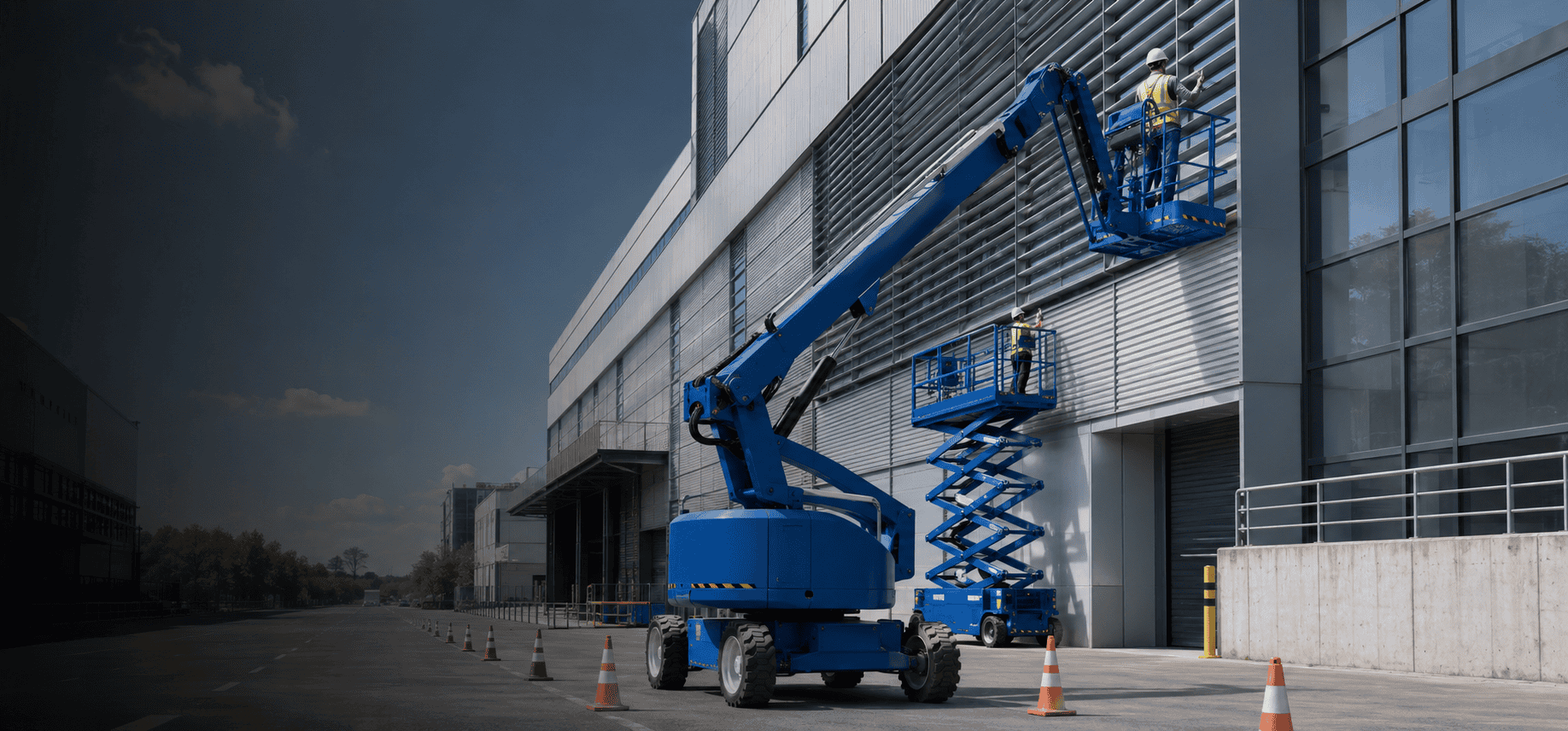
Scissor lifts can improve productivity where workers need a spacious vertical platform for cladding, glazing support, electrical and mechanical installation, ceilings, painting, insulation, pipework, fire protection, façade finishing, and inspection. A rough-terrain configuration may help the machine travel to outdoor work zones, while stabilizers or automatic-levelling features may be available on certain models.

Selection priorities:

  • Project stage and how ground conditions will change before the platform arrives
  • Firmness, gradient, edges, excavations, underground services, and debris
  • Outdoor rating, permitted wind conditions, occupants, and platform load
  • Deck dimensions and whether materials can be carried and secured safely
  • Site transport, loading, machine weight, fuel or charging, and service access

Anxing guidance: Four-wheel drive, off-road tires, outriggers, or high gradeability do not remove the need for a level and adequately supported elevated work position within the selected model's limits. For connected ground work and material handling, see Construction & Landscaping.

05

Equipment Rental and Distribution

Rental companies and distributors need a product mix that fits recurring customer applications, local regulations, transport practices, charging or fuel infrastructure, and service capability. Popular height alone is not a complete fleet strategy. Width classes, machine weight, platform capacity, duty cycle, diagnostic access, parts commonality, and customer training requirements affect lifetime utilization.

Procurement priorities:

  • Target industries and the proportion of indoor, slab, and outdoor work
  • Common access widths, height ranges, platform loads, and transport vehicles
  • Fleet consistency, control familiarity, inspection, and maintenance planning
  • Charger plugs, battery type, engine or power choices, tires, and accessories
  • Branding, manuals, labels, documentation, initial parts, and warranty process

Anxing guidance: Share your current fleet, target models, forecast quantity, customer profile, destination country, and after-sales structure. We can review model-dependent configuration and OEM & ODM requirements for qualifying orders.

Specification Checklist

Understand the Numbers Before Comparing Prices

Similar-looking platforms may differ significantly in permitted use. Ask for the complete model specification and confirm how every figure applies to the intended task.

ParameterWhat It MeansWhy It Matters
Platform HeightVertical distance from the support surface to the platform floorUse it to compare physical elevation without assuming the operator's reach.
Working HeightAn estimated reachable work level above platform heightConfirm the supplier's calculation; do not treat it as a guaranteed safe reach for every operator or task.
Platform CapacityMaximum combined rated load of occupants, tools, materials, and applicable itemsThe number of occupants and any reduced ratings must also be followed.
Platform and Extension-Deck SizeAvailable workspace and model-dependent deck extensionDetermines whether occupants and materials fit without creating unsafe congestion; extension sections may have separate load limits.
Machine DimensionsStowed width, length, height, wheelbase, ground clearance, and turning radiusDetermines passage through doors, aisles, gates, elevators, and transport arrangements.
Machine Weight and Wheel LoadsTotal machine mass and the load transmitted to supporting surfacesMust be checked against floors, elevators, bridges, covers, slabs, and ground-bearing capacity.
GradeabilityAbility to travel up or down a stated grade under defined conditionsIt is a travel figure, not permission to elevate on the same slope.
Indoor or Outdoor RatingApproved operating environment and any outdoor restrictionsOutdoor use may involve different height, capacity, wind, or occupant limits depending on the machine.
Power SystemBattery-electric, engine, or another model-dependent drive and lift systemAffects emissions, noise, duty cycle, charging or fueling, maintenance, climate suitability, and operating environment.
Drive and Levelling FeaturesDrive configuration, traction features, oscillating axle, stabilizers, or automatic levelling where availableThese features support specific access conditions but must be used only within the manufacturer-defined limits.

Selection Boundaries

Know When a Scissor Lift Is Not the Right Machine

Responsible guidance includes identifying applications that require another access method or a site redesign.

Vertical Access Is Its Core Function

A scissor lift offers little horizontal outreach. A deck extension may help with limited positioning, but it does not replace the articulated or telescopic reach of a boom-type MEWP.

Gradeability Is Not Levelling

A machine may climb a ramp or jobsite grade while stowed yet still require a much more level surface before elevation. Always distinguish travel limits, elevation limits, stabilizer use, and auto-levelling range.

Outdoor Use Requires an Outdoor Rating

Do not expose an indoor-only machine to wind. A building with open doors or cladding, a covered loading area, or a partially enclosed structure may still experience wind forces.

More Deck Space Is Not More Capacity

An extended deck gives additional workspace but does not automatically increase total rated load. Occupants, tools, materials, and any section-specific capacity must remain within the model's limits.

The Platform Is Not a Crane

Do not use the platform to suspend loads, pull structures, support banners, or apply unapproved side forces. Materials must be compatible with the machine, secured as required, and handled within the operator's manual.

Compact Does Not Mean Floor-Safe

A narrow or lightweight model may improve access, but the responsible party must still verify floor, elevator, ramp, cover, and ground capacity for the complete machine and rated load.

Information for Correct Selection

What to Send Anxing Before Requesting a Quote

You do not need to choose a model number first. Clear application information helps us narrow the appropriate category and identify questions that must be resolved before ordering.

Information GroupDetails to ProvideUseful Evidence
Task and HeightWork type, actual task height, required platform or working height, work position, obstacles, and whether outreach is neededWork-area photos, elevation drawing, marked task position, and obstacle dimensions
Platform LoadNumber of occupants plus the maximum combined weight and dimensions of tools, components, and materialsMaterial photos, weights, lengths, handling method, and typical load layout
Access RouteNarrowest width, lowest clearance, turning areas, door thresholds, ramp gradient, elevator size and rating, and transport constraintsMeasured doorway photos, route video, elevator plate, ramp details, and transport vehicle
Support SurfaceIndoor floor, concrete slab, asphalt, gravel, compacted soil, slope, soft areas, holes, drains, trenches, covers, edges, and floor capacityFloor plans, structural approval where required, surface photos, slope measurements, and ground assessment
Environment and PowerIndoor or outdoor use, wind exposure, temperature, dust, moisture, noise and emission limits, duty cycle, charging voltage, or fuel availabilitySite schedule, weather exposure, power-supply details, and daily operating hours
Commercial RequirementsDestination country, quantity, target customers, required documents, preferred configuration, branding, parts package, and delivery timingCompetitor model reference, forecast, current fleet, label requirements, and port or destination

Configuration & Procurement Support

Build a Scissor Lift Specification for Your Market

Available options depend on the selected product and order. Anxing reviews technical feasibility, intended application, quantity, destination, and documentation requirements before confirming a configuration.

Application Configuration

We can discuss height class, machine width, deck arrangement, platform capacity, power system, tires, drive configuration, stabilizers, levelling features, charger requirements, and compatible model-dependent options.

Distributor and Rental Branding

Color, decals, labels, identification, manuals, packaging marks, and other private-brand requirements can be evaluated for qualifying orders through our OEM & ODM service.

Destination Documentation

Tell us the destination country and requested documents before specifications are finalized. Buyers can review our general overview on the Certifications page, while order-specific applicability must be confirmed separately.

Parts and Service Planning

For distributors and fleet buyers, we can discuss initial spare parts, common wear items, charging components, service information, repeat-order consistency, and remote technical support for the confirmed model.

How We Work With Buyers

From Application Review to Delivery

  1. 01

    Share the Work-at-Height Application

    Send the task, height, occupants and load, access dimensions, support surface, indoor or outdoor conditions, power preference, destination, quantity, and site photos or drawings.

  2. 02

    Confirm the Equipment Type

    We first check whether a scissor lift fits the work position. If substantial horizontal outreach or another capability is essential, we will identify that boundary before discussing a model.

  3. 03

    Compare Specifications and Options

    We review height, capacity, dimensions, weight, power, mobility, environmental rating, platform configuration, requested options, and unresolved site questions.

  4. 04

    Confirm the Order and Documentation

    Both sides confirm the model, specification, quantity, branding, accessories, documentation, spare-parts package, commercial terms, and delivery requirements.

  5. 05

    Prepare Export Delivery

    The equipment is prepared according to the confirmed order. We coordinate agreed packing, loading, and transport documents; see Shipping & Delivery for the service overview.

  6. 06

    Support Commissioning and After-Sales Needs

    Our team provides agreed manuals, guidance, parts coordination, and remote support. Visit After-Sales Service for more information.

Why Anxing Machinery

A Practical Sourcing Partner for Scissor Lifts

Application-Based Recommendations

We begin with the task, access, support surface, load, and environment, helping buyers compare equipment around use conditions instead of one headline specification.

Professional Buyer Support

We consider model mix, documentation, configuration consistency, branding, packing, initial spare parts, and repeat-order needs for importers, distributors, rental companies, and contractors.

Export and Service Coordination

Our service support covers agreed packing, shipping coordination, documentation, manuals, remote guidance, and spare-parts assistance for confirmed orders.

Learn more about Shandong Anxing Machinery Co., Ltd. and the team supporting your sourcing project.

Related Solutions

Warehouse & Material Handling

Plan pallet transport, stacking, truck loading, outdoor yard handling, and elevated facility maintenance as separate but connected tasks.

View Warehouse Solutions

Construction & Landscaping

Compare compact excavation, jobsite material placement, outdoor yard handling, and vertical access across different stages of a construction project.

View Construction Solutions

Important Operating Note

Safe Work at Height Requires Planning Beyond Machine Selection

This page provides general purchasing guidance and is not a substitute for the model-specific operator's manual, jobsite risk assessment, approved training, inspection, supervision, rescue planning, or applicable law. The responsible party must verify that the selected machine is suitable for the task and environment; assess support surfaces, slopes, holes, edges, traffic, pedestrians, overhead obstructions, electrical hazards, weather, wind, visibility, and potential entrapment; maintain guardrail and entry systems; keep within rated load and occupant limits; and follow the manufacturer's requirements for travel, elevation, stabilizers, fall protection, emergency lowering, maintenance, and inspection. Never use ladders, planks, boxes, or other devices on the platform to gain extra height, and never climb, sit, or stand on the guardrails.

Frequently Asked Questions

Work at Height and Scissor Lift FAQ

What is the difference between platform height and working height?

Platform height is measured from the machine's supporting surface to the platform floor. Working height is an estimated reach above the platform and is often calculated by adding an assumed worker reach. Because conventions can differ, compare platform height first and confirm how the supplier defines working height. Select around the actual task position and safe working posture rather than relying only on a marketing height.

Should I choose an electric slab or rough-terrain scissor lift?

An electric slab lift is the typical starting point for firm, level surfaces where compact access, low noise, and no exhaust at the point of use are important. A rough-terrain lift is intended for more demanding outdoor travel and usually offers different tires, traction, ground clearance, deck size, or levelling features. Final selection depends on the model's ratings, ground, slope, access, wind, height, load, and power requirements.

Can I use an indoor scissor lift outdoors?

Only if the specific machine is rated for the intended outdoor use and is operated within every applicable limit. Some machines are indoor-only; some have different outdoor platform height, load, wind, or occupant limits. A partially open building may also expose the platform to wind. Always check the model plate, manual, and manufacturer information rather than assuming that a paved outdoor surface makes outdoor use acceptable.

Can a scissor lift reach over machinery or another obstacle?

A scissor lift provides mainly vertical elevation. An extension deck may offer limited additional positioning, but it cannot provide the substantial horizontal or up-and-over reach of a suitable boom lift. If the chassis cannot be placed close enough to the work, reassess the machine type. Never compensate by leaning outside the rails or placing ladders, boxes, or planks on the platform.

Does high gradeability mean the lift can work elevated on a slope?

No. Gradeability generally describes the machine's ability to travel on a stated gradient under defined conditions, usually while stowed. Elevation requires compliance with separate slope or level limits. If the model has outriggers or automatic levelling, their permitted range and deployment requirements still apply. Verify the travel route, work position, ground support, and manual before operation.

How much platform capacity do I need?

Add the maximum combined weight of all occupants, tools, materials, and applicable accessories on the platform. Also confirm the permitted number of occupants and any separate rating for the extension deck or outdoor operation. Extra deck space does not increase rated capacity. If long panels, pipe, or other materials introduce wind loading, side force, or difficult handling, the work method must also be assessed.

What measurements should I send for a scissor lift quotation?

Send the actual task height, required work position, obstacles, platform load, occupant count, narrowest access width, lowest clearance, turning space, ramps, elevator rating, floor or ground condition, slope, indoor or outdoor use, wind exposure, operating hours, power availability, destination country, and quantity. Photos, route videos, and measured drawings improve the preliminary recommendation.

Can Anxing customize scissor lifts for distributors or rental companies?

Model-dependent specifications, color, decals, labels, manuals, charger requirements, tires, accessories, spare-parts packages, and other OEM or ODM needs can be reviewed according to technical feasibility, order quantity, intended use, and destination. Visit our OEM & ODM page and send your target market, applications, model mix, and forecast.

For general purchasing, payment, delivery, operation, and service questions, visit the Anxing FAQ.

Tell Us Where and How You Need to Work

Get a Scissor Lift Recommendation and Quote

You do not need to select the model before contacting us. Send the task height, work position, occupants and platform load, access dimensions, floor or terrain, slope, indoor or outdoor conditions, wind exposure, duty cycle, power preference, destination country, quantity, and available photos. An Anxing representative will help you compare suitable options and identify any application limits that must be resolved.