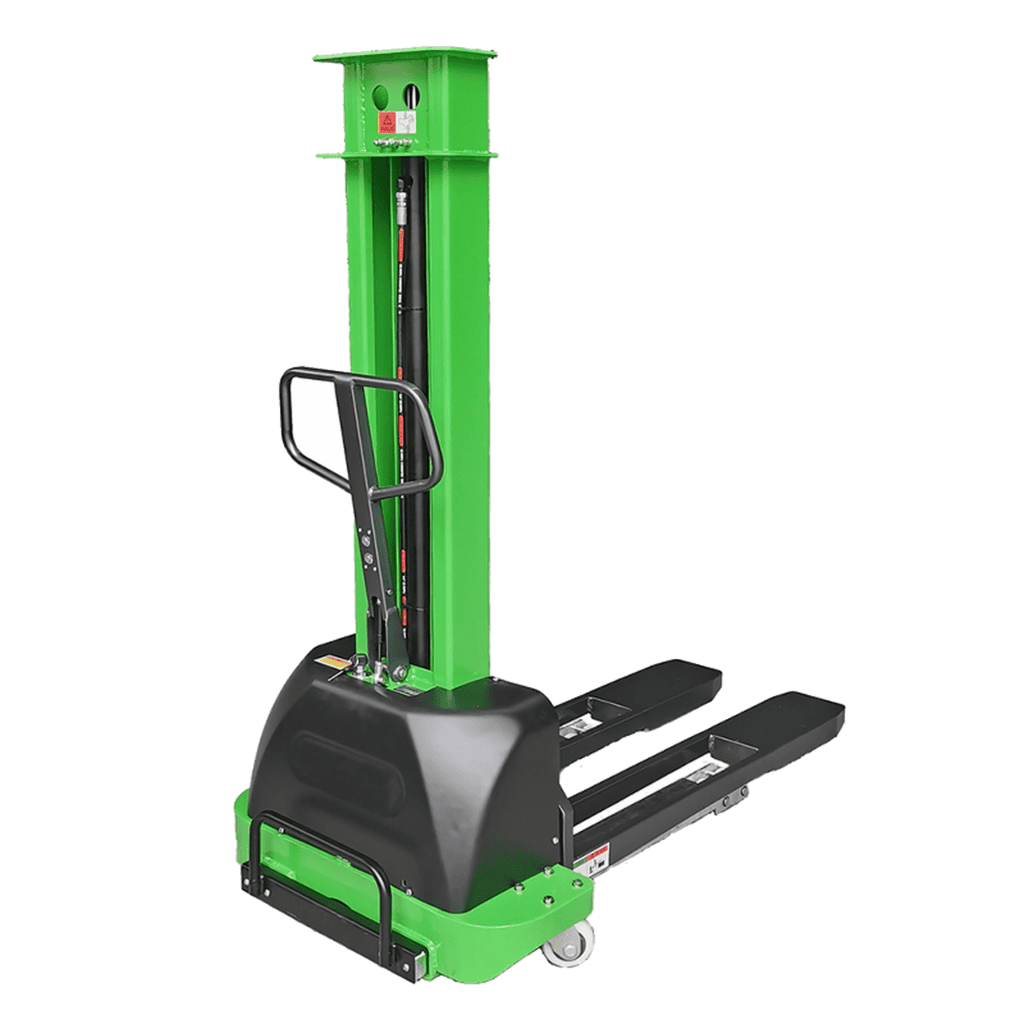
CDD-S5
500kg Semi-Electric Self-Loading Stacker
Rated Capacity
500 kg
Self-Loading Height
800–1,600 mm
Support
1 year
MOQ
1 unit
Tell us your needs,
we'll provide the
perfect solution.
Leave your information and our team will get back to you shortly.
This site is protected by reCAPTCHA and the Google Privacy Policy and Terms of Service apply.
Home / Products / Self-Loading Pallet Stackers
ANXING PRODUCT RANGE
Anxing self-loading pallet stackers are compact material handling machines designed for pallet transport, vehicle loading, and delivery operations where a conventional forklift or loading dock may not be available.
1–2 Week Production
Custom Orders: 2–3 Weeks
CE & ISO 9001
International Quality Standards
After-Sales Support
Technical Guidance After Delivery
CDD-S5
Rated Capacity
500 kg
Self-Loading Height
800–1,600 mm
Support
1 year
MOQ
1 unit
CDD-S7
Rated Capacity
700 kg
Self-Loading Height
800–1,600 mm
Support
1 year
MOQ
1 unit
CDD-S10
Rated Capacity
1,000 kg
Self-Loading Height
800–1,600 mm
Support
1 year
MOQ
1 unit
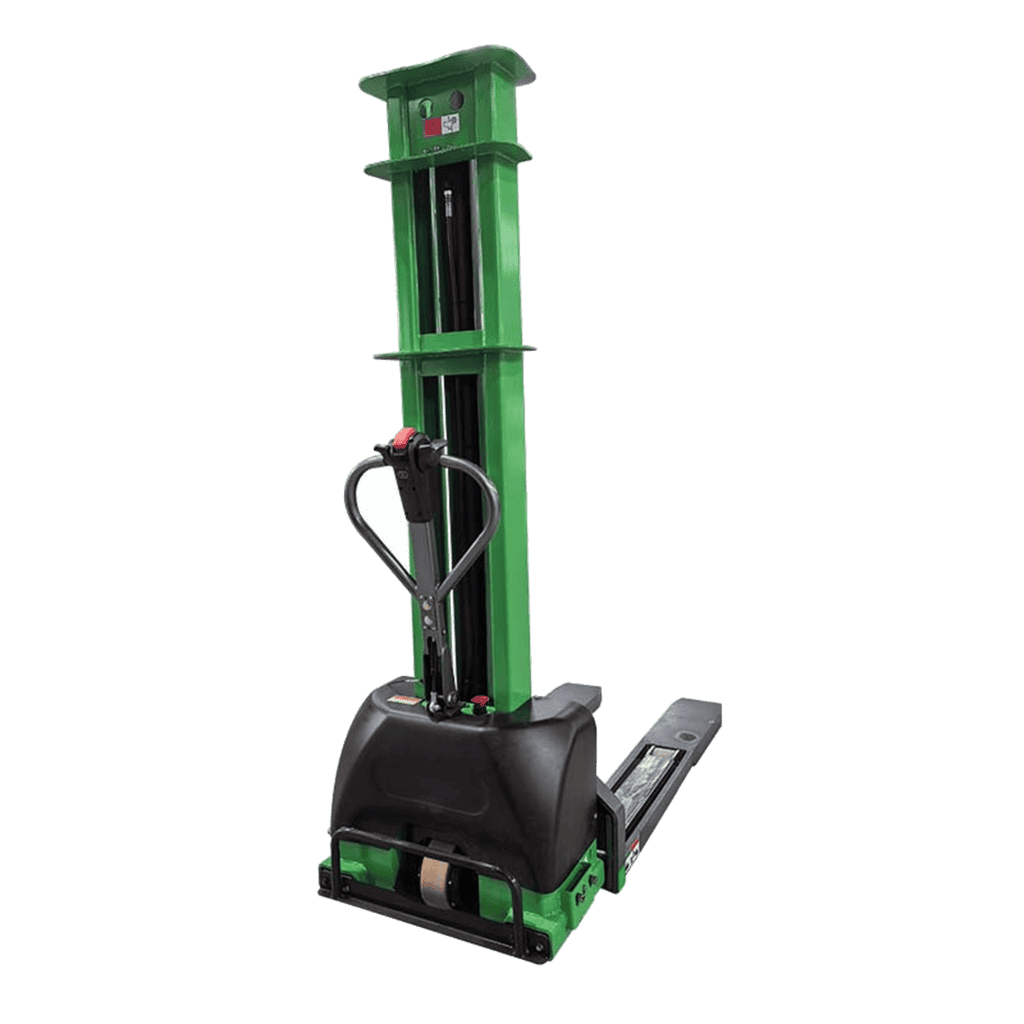
CDD-F7
Rated Capacity
700 kg
Self-Loading Height
800–1,600 mm
Support
1 year
MOQ
1 unit
CDD-F10
Rated Capacity
1000 kg
Self-Loading Height
800–1,600 mm
Support
1 year
MOQ
1 unit
CDD-F15
Rated Capacity
1,500 kg
Self-Loading Height
800–1,600 mm
Support
1 year
MOQ
1 unit
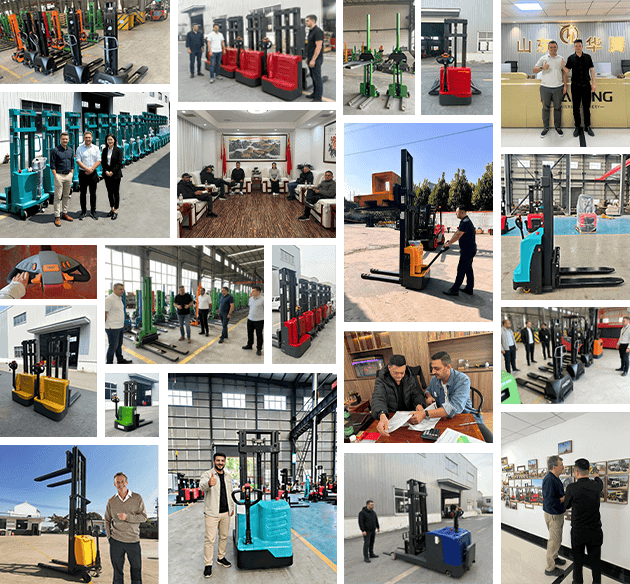
Built in China and supplied to customers in more than 60 countries. Every order is reviewed before shipment, with available configuration, inspection, packing and export requirements confirmed around the selected machine and destination.
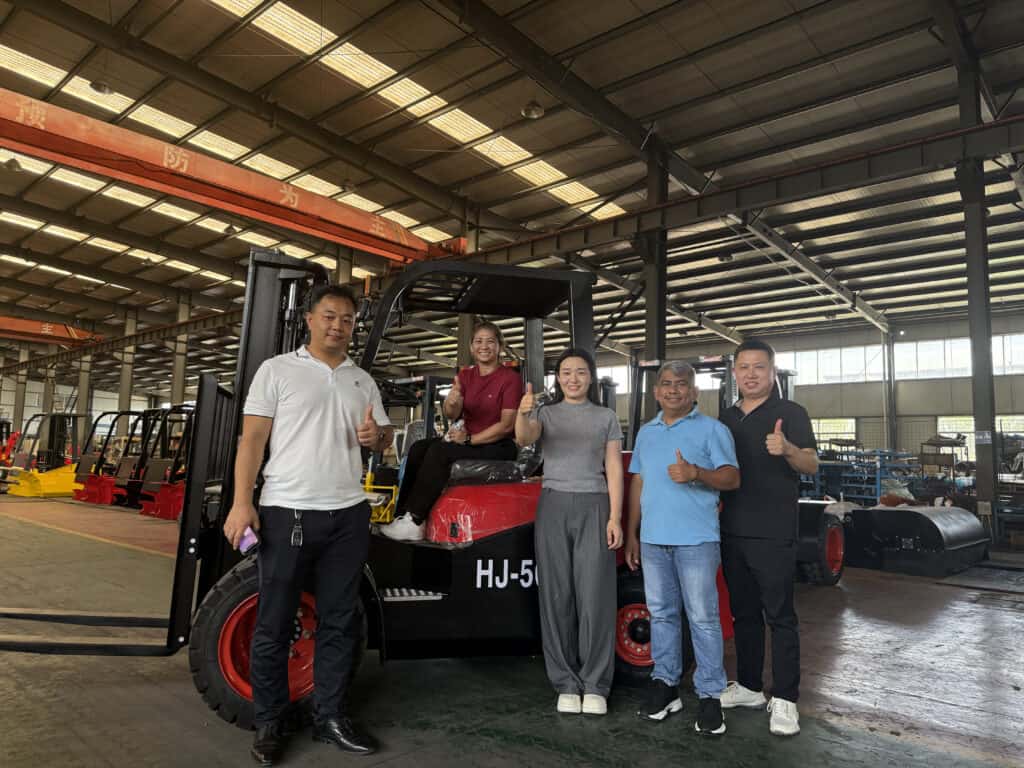
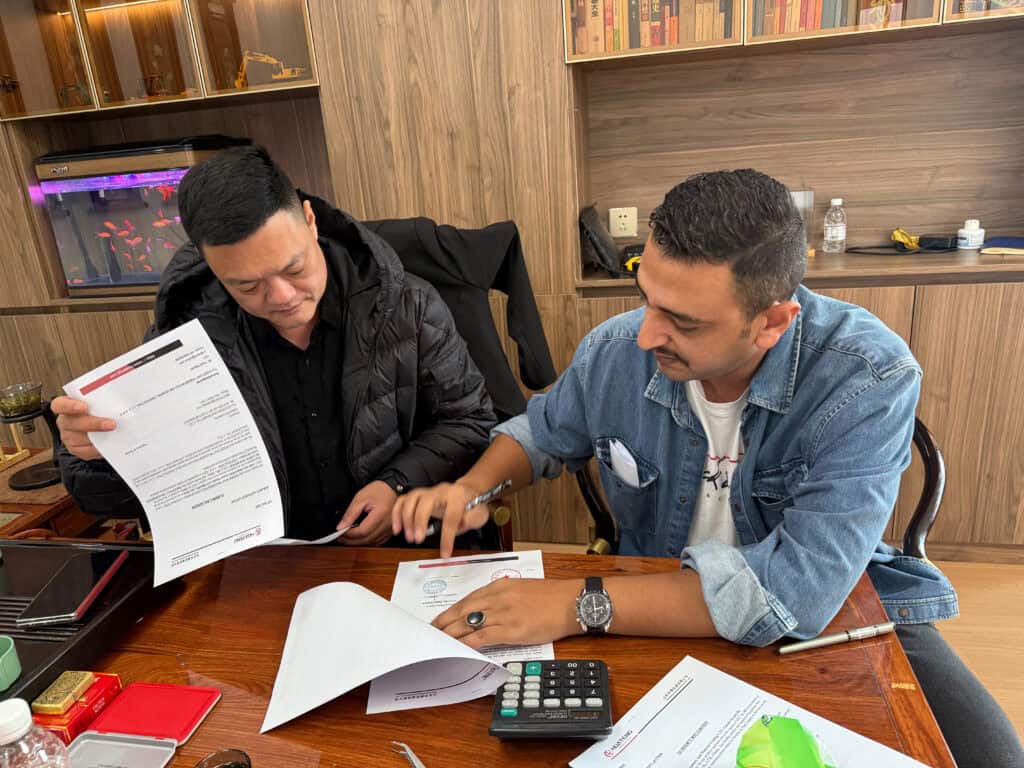
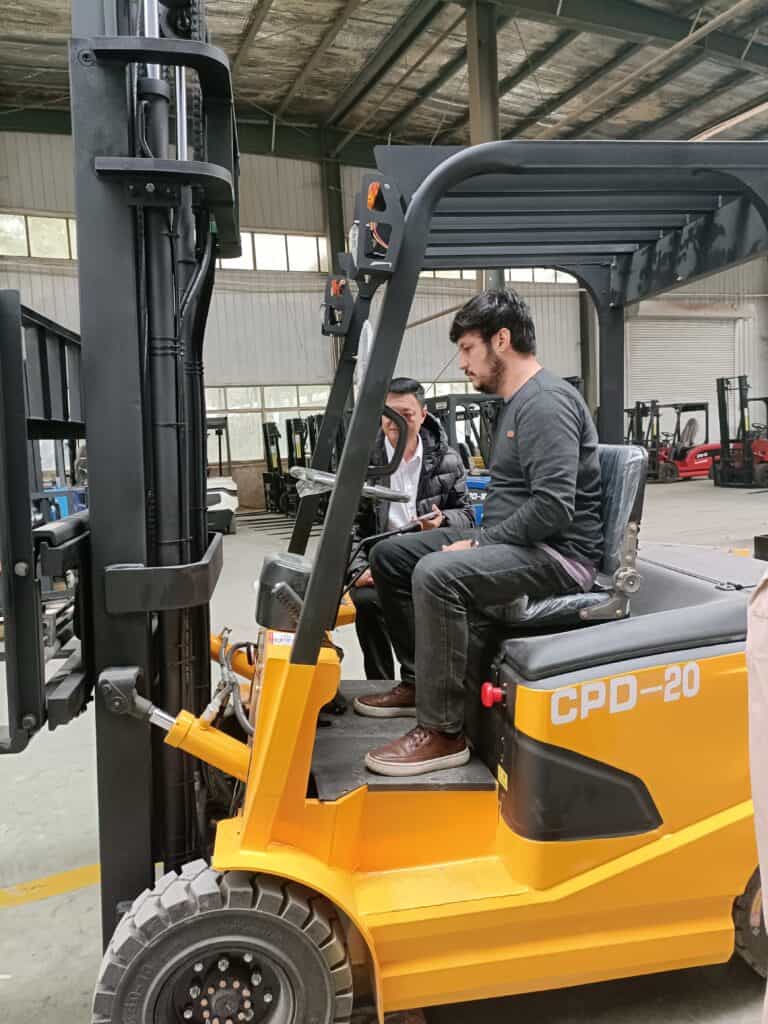
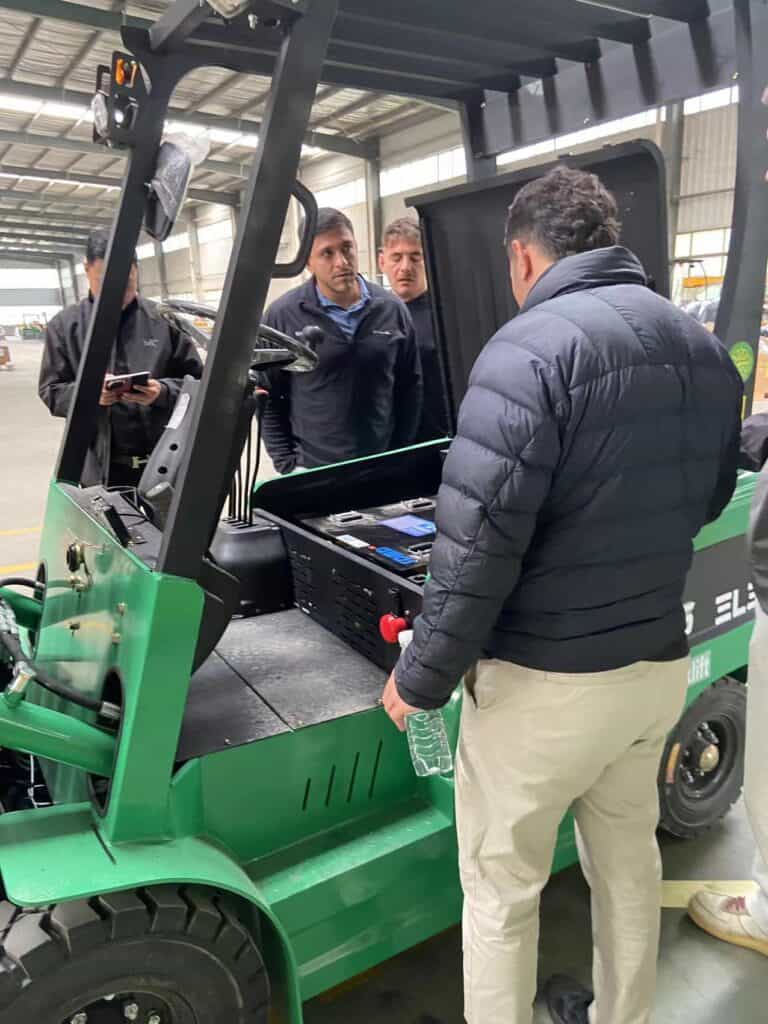
A self-loading pallet stacker is designed for operations where pallets need to be transported and handled at locations that may not have a forklift or loading dock available. Unlike a conventional warehouse stacker that normally stays at one facility, this type of equipment can work alongside vans and delivery trucks and travel with the delivery operation. It is therefore well suited to pallet distribution, local deliveries, service fleets and other jobs where the unloading point changes throughout the day. Buyers may also encounter terms such as self-lifting pallet stacker or portable self-loading stacker when comparing this type of equipment; in practice, the important consideration is whether the machine's load capacity, lifting range and dimensions match the pallet and vehicle being used.
For lighter or less frequent delivery work, the 500–1000 kg semi-electric self-loading stacker provides electric lifting while the operator manually moves and positions the machine. Its simpler configuration makes it a practical choice when travel distances are short and powered drive is not necessary. For higher handling frequency, heavier loads or regular fleet use, the 700–1500 kg fully electric self-loading stacker adds powered travel as well as powered lifting, reducing manual effort when moving pallets between the vehicle and unloading point. Both ranges are available with fork heights from 800 to 1,600 mm, so the better choice depends not only on load capacity but also on daily operating frequency, travel distance and the vehicle in which the stacker will be carried.
Choosing the right stacker starts with the load, but vehicle compatibility is equally important. Before selecting a model, check the maximum pallet weight and dimensions, fork entry, required fork spacing, vehicle floor height, rear-door opening and available cargo space. Machine weight should also be included when checking the vehicle's payload capacity, since both the pallet and the stacker may be transported together. Anxing can review these dimensions before quotation and recommend a suitable capacity, fork height and configuration. For buyers using different vans or trucks across a fleet, providing the dimensions of the smallest or most restrictive vehicle helps determine whether one configuration can cover multiple delivery applications.
The stacker uses its lifting structure and support system to raise and transfer itself onto a compatible vehicle cargo floor. The exact loading sequence depends on the selected design and must follow the operating instructions.
No. Vehicle payload, cargo-floor height, rear-door opening, internal dimensions and floor strength must be checked. Buyers should provide the vehicle model or detailed measurements.
Select a capacity above the heaviest expected pallet load while accounting for pallet dimensions and load center. The vehicle must also have sufficient payload for both the cargo and stacker.
Semi-electric models may offer a lower purchase cost for occasional deliveries. Full-electric models reduce manual effort and are more suitable for frequent handling or longer travel distances.
Provide pallet weight and dimensions, vehicle type, cargo-floor height, door opening, internal cargo dimensions, daily operating cycles and destination market.
A self-loading pallet stacker is a compact pallet handling machine designed to lift and move palletized goods while supporting loading and unloading around delivery vehicles. It is commonly used when pallets need to be delivered to locations where a conventional forklift or loading dock is not readily available.
The terms are commonly used for the same general type of equipment. You may also see descriptions such as portable self-loading stacker or self-lifting electric stacker. Product designs vary, so buyers should compare the actual load capacity, fork height, operating method, machine dimensions and vehicle compatibility rather than relying on the product name alone.
Yes, provided the selected machine matches the vehicle. Important dimensions include the vehicle floor height, rear-door height and width, internal clearance and available cargo space. The combined weight of the stacker and cargo should also remain within the vehicle's allowable payload.
A semi-electric model uses powered lifting but is manually moved and positioned by the operator. A fully electric model provides both powered lifting and powered travel. Semi-electric machines can be suitable for shorter and less frequent handling tasks, while fully electric models are generally better suited to regular delivery routes and higher daily handling frequency.
Anxing's current semi-electric range covers rated capacities from 500 to 1,000 kg, while the fully electric range covers 700 to 1,500 kg. The correct capacity should be selected according to the maximum actual load, pallet dimensions and operating conditions rather than nominal pallet size alone.
Compatibility depends on the pallet dimensions, fork entry and required fork spacing. Anxing offers configurable fork spacing across these self-loading stacker ranges. Buyers should provide the pallet length, width, load weight and fork-entry direction before ordering so that compatibility can be checked.
The required height is determined mainly by the vehicle platform or cargo-floor height and the loading method. Anxing's current self-loading stacker ranges offer fork-height configurations from 800 to 1,600 mm. Measuring the actual vehicle rather than relying only on its model specification is recommended.
For an accurate recommendation, provide the maximum load weight, pallet dimensions, vehicle floor height, rear-door dimensions, available cargo space, expected daily operating frequency, quantity and destination. These details allow Anxing to confirm the appropriate capacity, fork height, fork spacing and power configuration before preparing the quotation.
Tell us your application, preferred model, configuration, quantity, and destination. Our team will review your requirements before preparing the quotation.
This site is protected by reCAPTCHA and the Google Privacy Policy and Terms of Service apply.
We use your contact information only to respond to your equipment inquiry.