


Anxing equipment solution

Warehouse & Material Handling

Plan equipment around the load, racking, aisle, floor, travel route and daily duty—not only nominal capacity. Compare practical forklift and stacker directions before requesting a configuration matched to your warehouse or material flow.

  • Load and pallet profile
  • Lift and overhead clearance
  • Aisle and turning space
  • Floor, ramp and environment

Share the task, site conditions and destination. Our team will help match the equipment direction to your application.

Warehouse & Material Handling

Application overview

How the Work Conditions Shape Equipment Choice

Review the task, material, access and operating environment before comparing equipment types.

Warehouse equipment should be selected around the complete material flow: what is moved, where it starts, where it must be placed and how often the task repeats. Horizontal pallet transport, rack stacking, trailer loading and order picking can require different equipment directions.

A useful shortlist starts with the maximum and typical load, pallet dimensions, lift height, aisle and doorway clearances, floor and ramp conditions, travel distance, daily working pattern and available power or charging window. These inputs help distinguish between counterbalance forklifts, stackers, pallet-handling equipment and narrow-aisle options.

The equipment paths on this page are starting points rather than final approvals. Capacity can change with load centre, lift height, mast and attachment, so the selected configuration must be checked against its technical records, load chart and nameplate before use.

Selection checklist

Key Details for a Better Equipment Recommendation

A few practical details help Anxing compare equipment types and avoid unsuitable configurations.

  1. 01

    What is being moved, and how is the load presented?

    Weight alone is not enough. Dimensions, load centre, pallet type, packaging and weight distribution affect capacity, stability, fork choice and whether an attachment is required.

  2. 02

    Where does the load start, travel and finish?

    Floor-level transport, rack stacking, production-line feeding, trailer loading and order picking place different demands on the truck, mast and operator arrangement.

  3. 03

    How high must the load be placed, and what overhead restrictions apply?

    Required lift height, residual capacity, mast type, lowered height and free lift must be considered together rather than selecting by maximum lift height alone.

  4. 04

    How much clear aisle and turning space is available?

    The narrowest route and right-angle stacking space can rule out a truck even when its nominal capacity and lift height appear suitable.

  5. 05

    What surfaces, ramps and transitions are on the route?

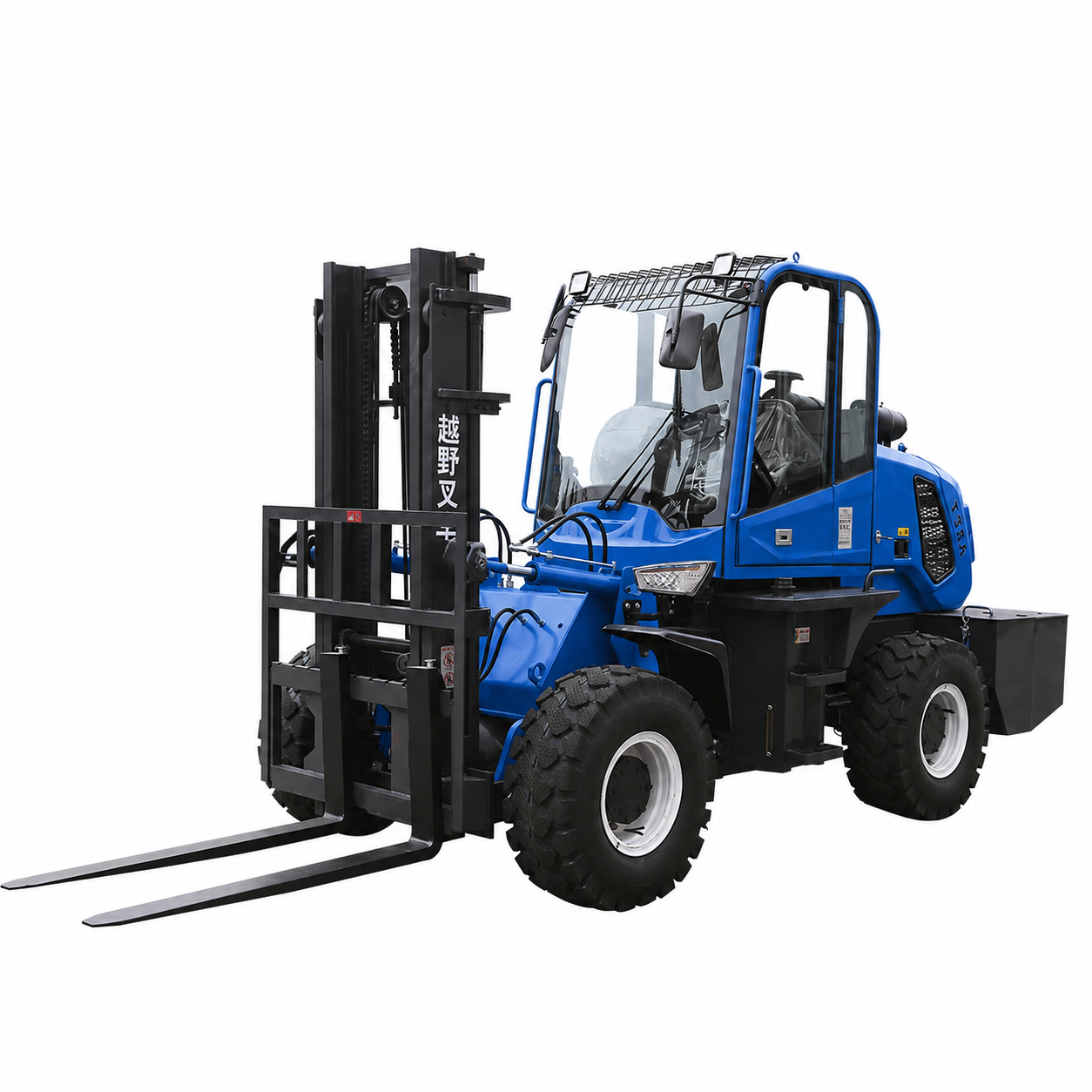
    Smooth indoor floors, damaged concrete, gradients, dock plates and outdoor ground place different demands on tyres, traction, braking, ground clearance and the selected truck type.

  6. 06

    What is the daily duty cycle and available power arrangement?

    Operating hours, travel distance, handling frequency, breaks and charging access help determine an appropriate energy, battery, charger and fleet direction.

  7. 07

    Does the task need an attachment or non-standard load handling?

    Sideshifters, clamps, rotators and other attachments can change load centre, visibility and available capacity, so the complete forklift-and-attachment combination must be reviewed.

  8. 08

    Which destination and local operating requirements apply?

    Required documents, power supply, workplace rules, operator training and market-specific requirements can affect the final configuration and quotation scope.

Equipment options

Equipment Options to Consider

Compare the equipment types that can suit this application, then open the related product pages for model-level specifications.

Equipment direction

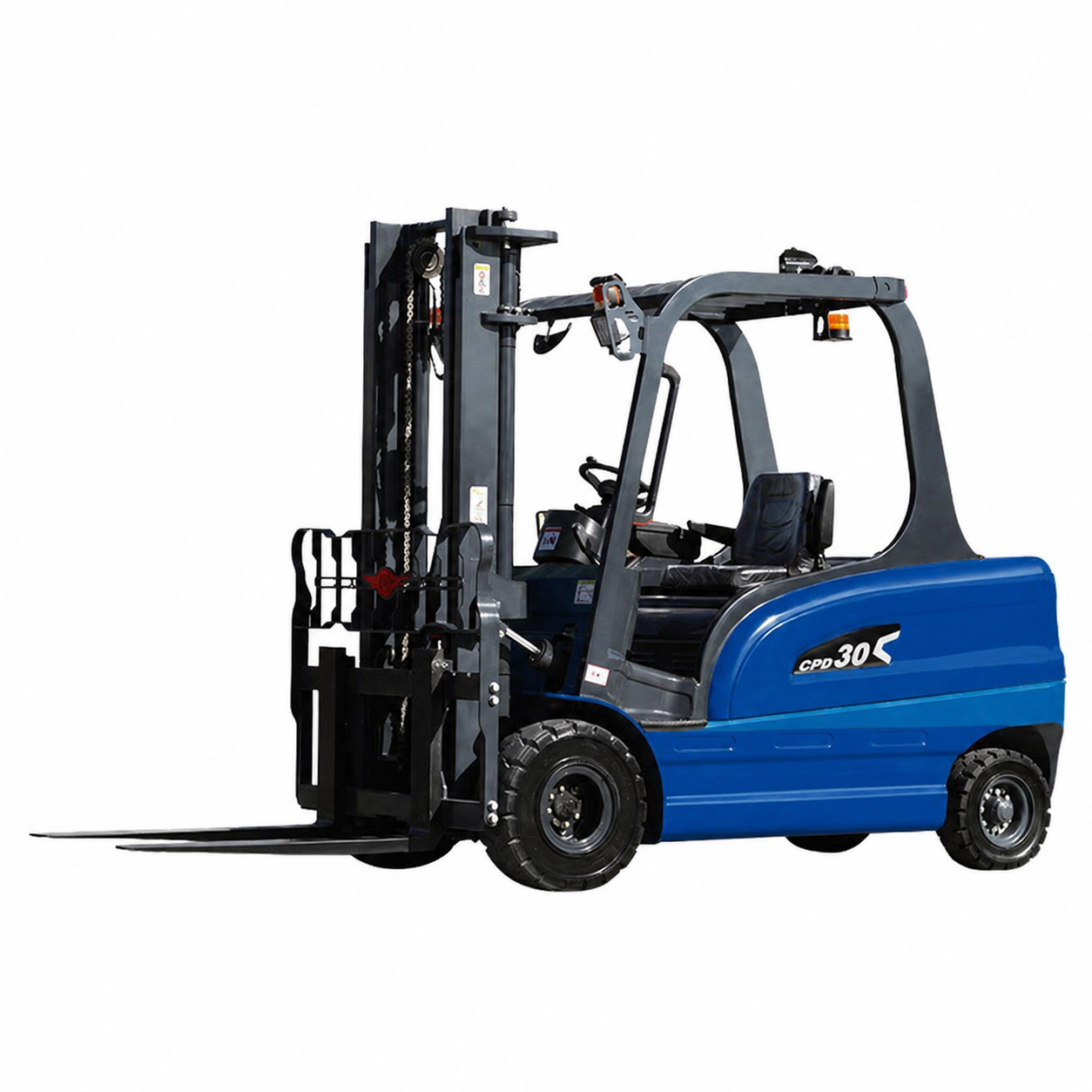
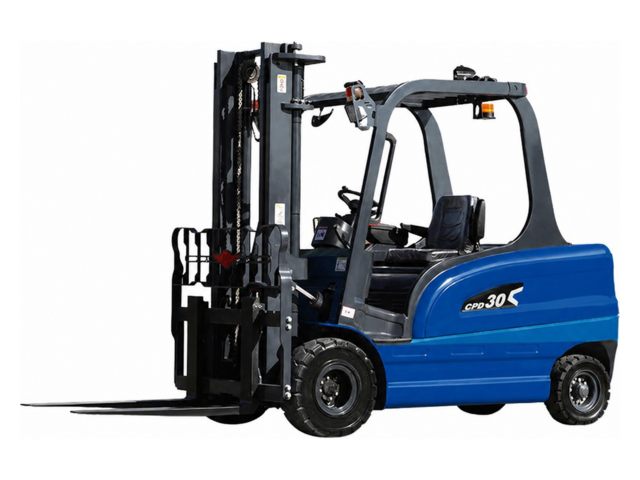
Electric counterbalance forklift

Works best when

A practical starting direction for pallet transport, rack stacking and loading tasks where the route provides adequate aisle and turning space and the selected electric configuration matches the required duty cycle.

Consider before choosing

It normally requires more manoeuvring space than a stacker or narrow-aisle truck. Battery, charger, mast, tyre and attachment choices remain application-dependent.
Equipment direction

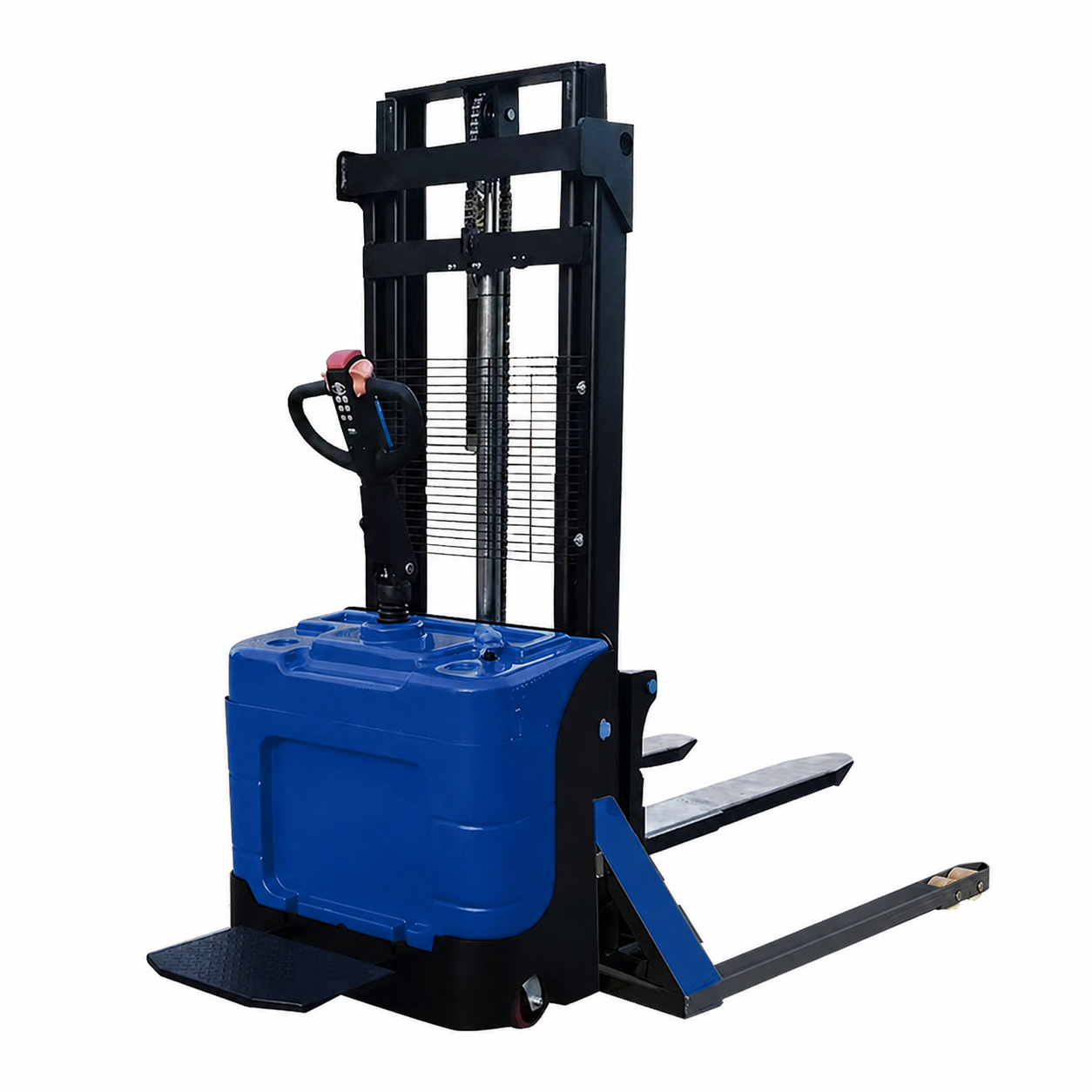
Electric stacker

Works best when

Consider for pallet stacking and shorter travel on suitable, level floors where the required capacity, lift height, aisle width and walking or rider operating arrangement match the selected model.

Consider before choosing

It is not automatically a substitute for a counterbalance forklift in long-travel, trailer-entry, ramp or higher-throughput work. Capacity and stability must be checked at the required height.

Equipment direction

Narrow-aisle or reach-type equipment

Works best when

Evaluate when high-density racking and restricted clear aisle width make a standard counterbalance forklift difficult to use, particularly on suitable indoor floors.

Consider before choosing

Rack layout, aisle tolerance, floor quality, lift height, residual capacity and operator requirements are highly configuration-specific. Product availability must also be confirmed.

Equipment direction

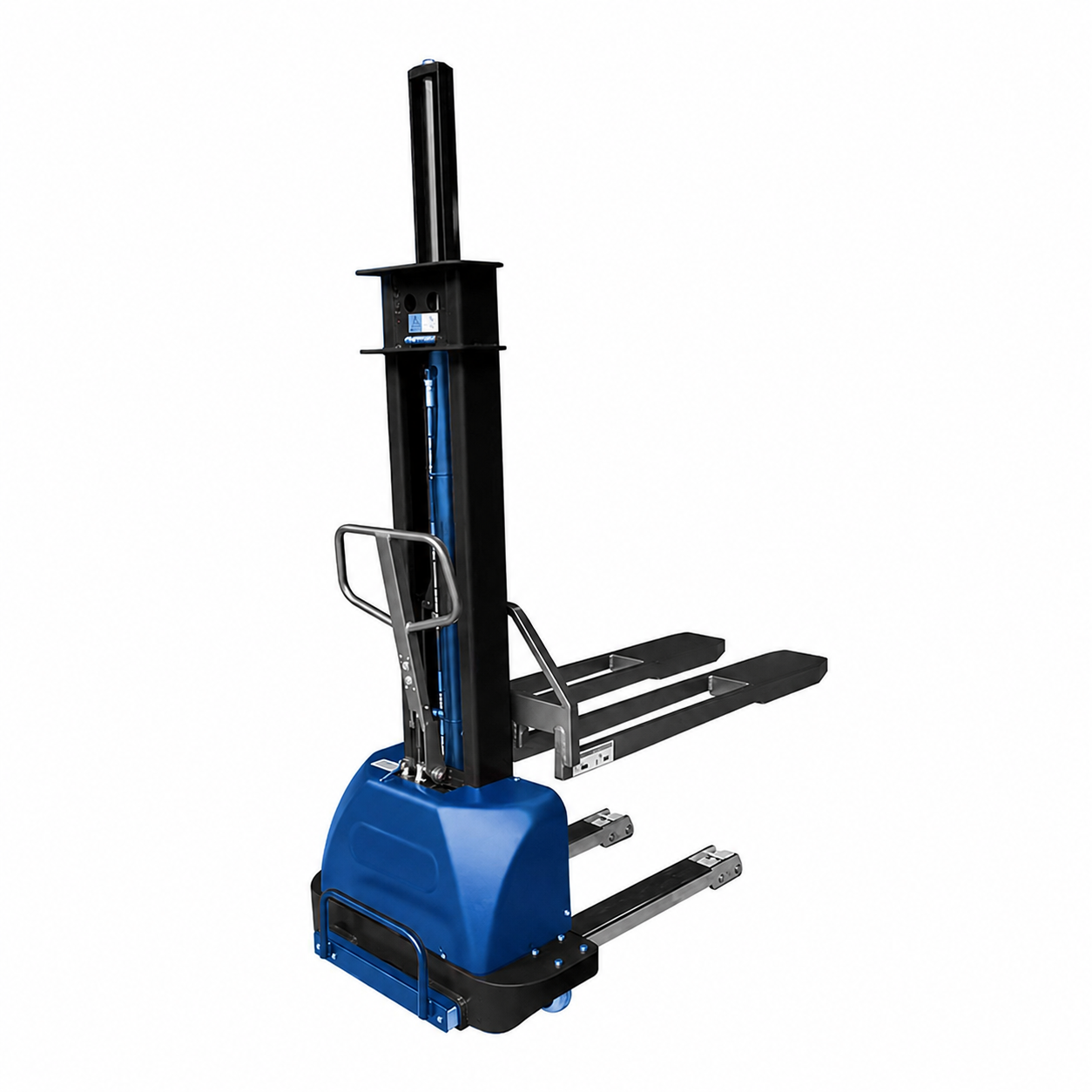
Self-loading stacker

Works best when

Consider for delivery or mobile handling workflows where transporting the stacker with a compatible vehicle and loading or unloading it without separate lifting equipment is a defined requirement.

Consider before choosing

Vehicle compatibility, loading method, restraint, payload and operating surface require specific review. It should not be treated as a general replacement for warehouse forklifts or stackers.

Equipment direction

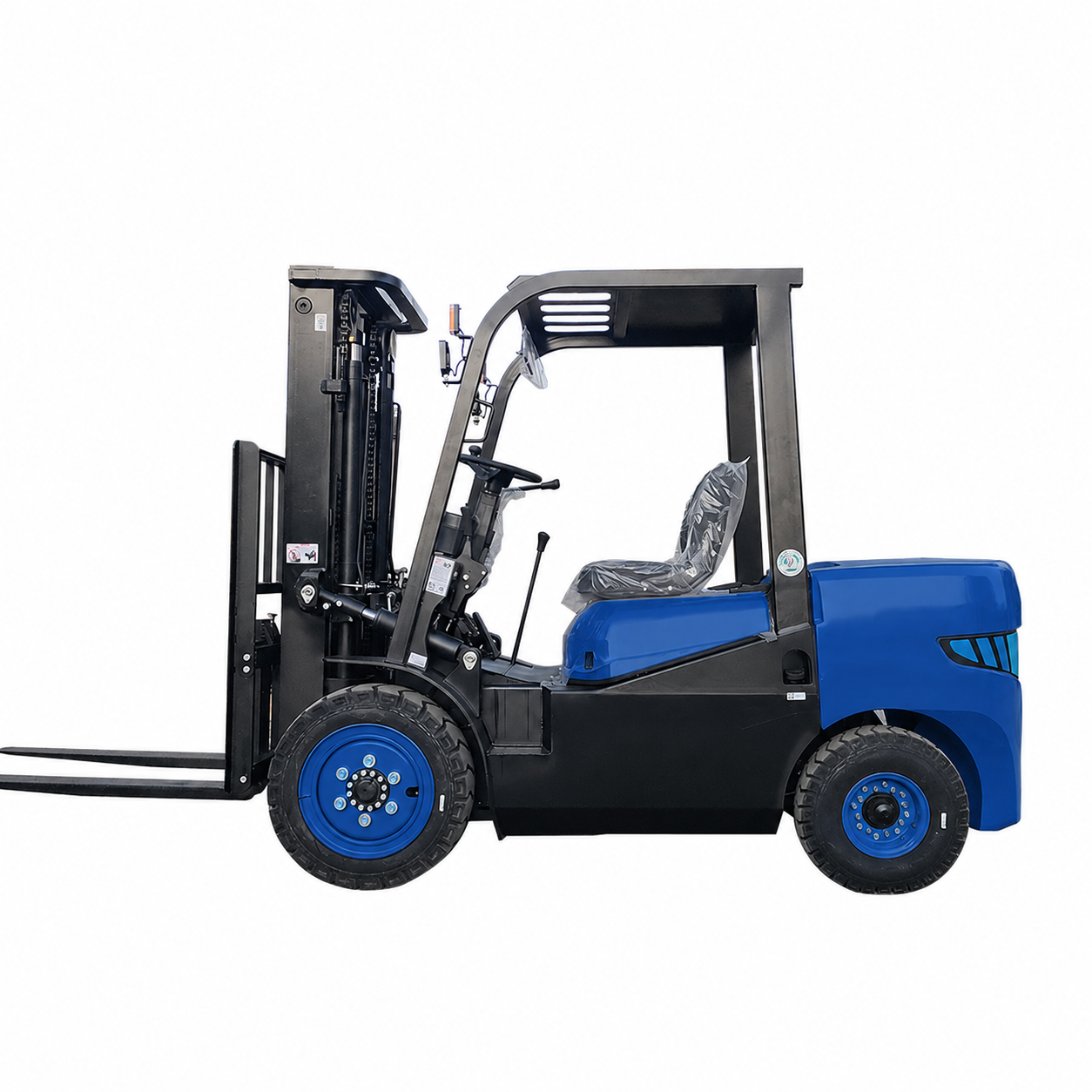
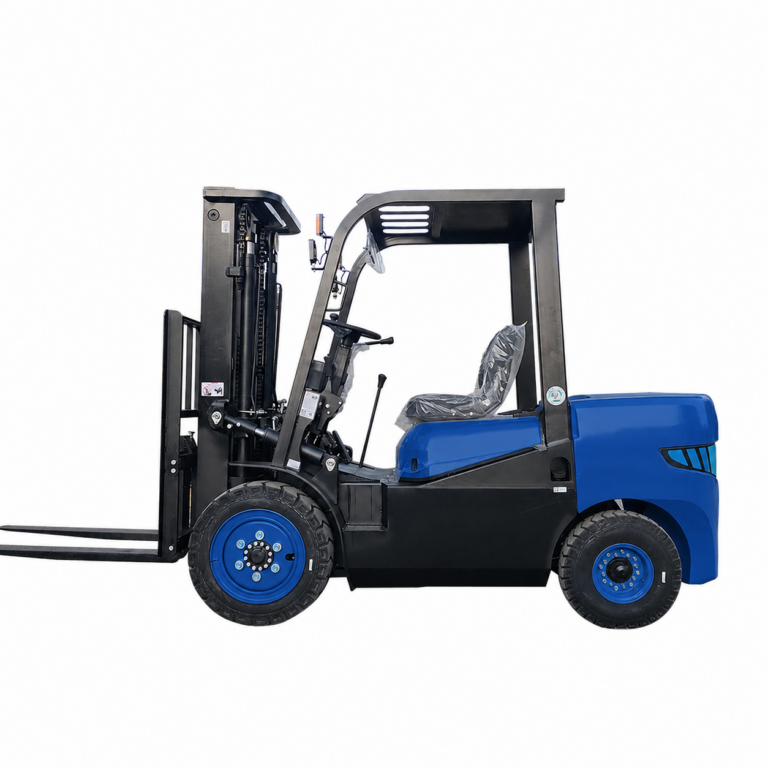
Diesel counterbalance forklift

Works best when

Consider for yard, loading and mixed-route work where the surface, ventilation, emissions controls, noise limits and local workplace requirements support an internal-combustion truck.

Consider before choosing

Indoor use must not be assumed. Ventilation, emissions, noise, fuel handling, surface conditions and local rules need separate review, and a different equipment direction may be required for enclosed areas.

Recommended equipment

Explore Products for This Application

Browse relevant product categories, or open a selected model to review specifications, options and quotation details.

Common questions

Choosing Equipment for This Application

These answers cover common selection questions. For a model-specific recommendation, share your actual task and site conditions with Anxing.

Should I choose a counterbalance forklift or an electric stacker?

A counterbalance forklift is often the broader direction for pallet transport, loading and stacking where sufficient manoeuvring space is available. An electric stacker may suit shorter travel and stacking on suitable floors with a compatible pallet and operating arrangement. Compare the actual load, lift height, aisle, route, duty cycle and pallet entry before deciding.

Is the rated capacity available at the maximum lift height?

Do not assume so. Available capacity can change with lift height, load centre, mast, attachment and the load's size or weight distribution. Confirm the selected configuration against its official load chart and nameplate.

Get an application-based recommendation

Get an Equipment Recommendation for Warehouse & Material Handling

Tell Anxing about the task and work conditions. Our team will use the information to suggest suitable equipment categories and the next configuration checks.

  • What is being moved, and how is the load presented?
  • Where does the load start, travel and finish?
  • How high must the load be placed, and what overhead restrictions apply?
  • How much clear aisle and turning space is available?
  • What surfaces, ramps and transitions are on the route?

You do not need to know the exact model. Share what you already know, and our team will follow up on the remaining details.