
Quick answer
What to Know First
- If you mainly work indoors, choose an electric forklift. If you mainly work outdoors with heavy loads and rougher ground conditions, choose a diesel forklift. Electric forklifts are cleaner, quieter and usually easier to maintain. Diesel forklifts offer strong power, long working endurance and better suitability for demanding outdoor jobs. At Fangwei, we supply both electric forklifts and diesel forklifts from 1.5 ton to 10 ton capacity, helping buyers choose the right model based on load weight, lift height, working environment and budget.
In This Article
Choosing between an electric forklift and a diesel forklift is one of the most important decisions for warehouse owners, factories, logistics companies and equipment dealers.
Both machines can move heavy loads efficiently, but they are built for different working environments. Electric forklifts are usually preferred for indoor warehouses, logistics centers and clean working areas, while diesel forklifts are commonly used for outdoor yards, construction sites and heavy-duty applications.
In this guide, we compare electric vs diesel forklifts by application, cost, maintenance, power, operating environment and buyer type, so you can choose the right forklift for your business.
Electric Forklift vs Diesel Forklift: Key Differences
| Comparison Point | Electric Forklift | Diesel Forklift |
|---|---|---|
| Best Use | Indoor warehouse, factory, logistics center | Outdoor yard, construction site, heavy-duty handling |
| Power Source | Battery, usually lithium-ion or lead-acid | Diesel engine |
| Emissions | No exhaust emissions during operation | Produces exhaust emissions |
| Noise Level | Lower noise | Higher noise |
| Maintenance | Fewer engine-related service items | Requires engine, oil and fuel system maintenance |
| Operating Cost | Often lower long-term energy and maintenance cost | Fuel and maintenance costs can be higher |
| Upfront Cost | Usually higher, especially lithium battery models | Often lower for similar load capacity |
| Refueling / Charging | Needs charging time and charging area | Fast refueling |
| Indoor Use | Very suitable | Not recommended unless ventilation is sufficient |
| Outdoor Use | Suitable when configured correctly | Very suitable |
What Is an Electric Forklift?
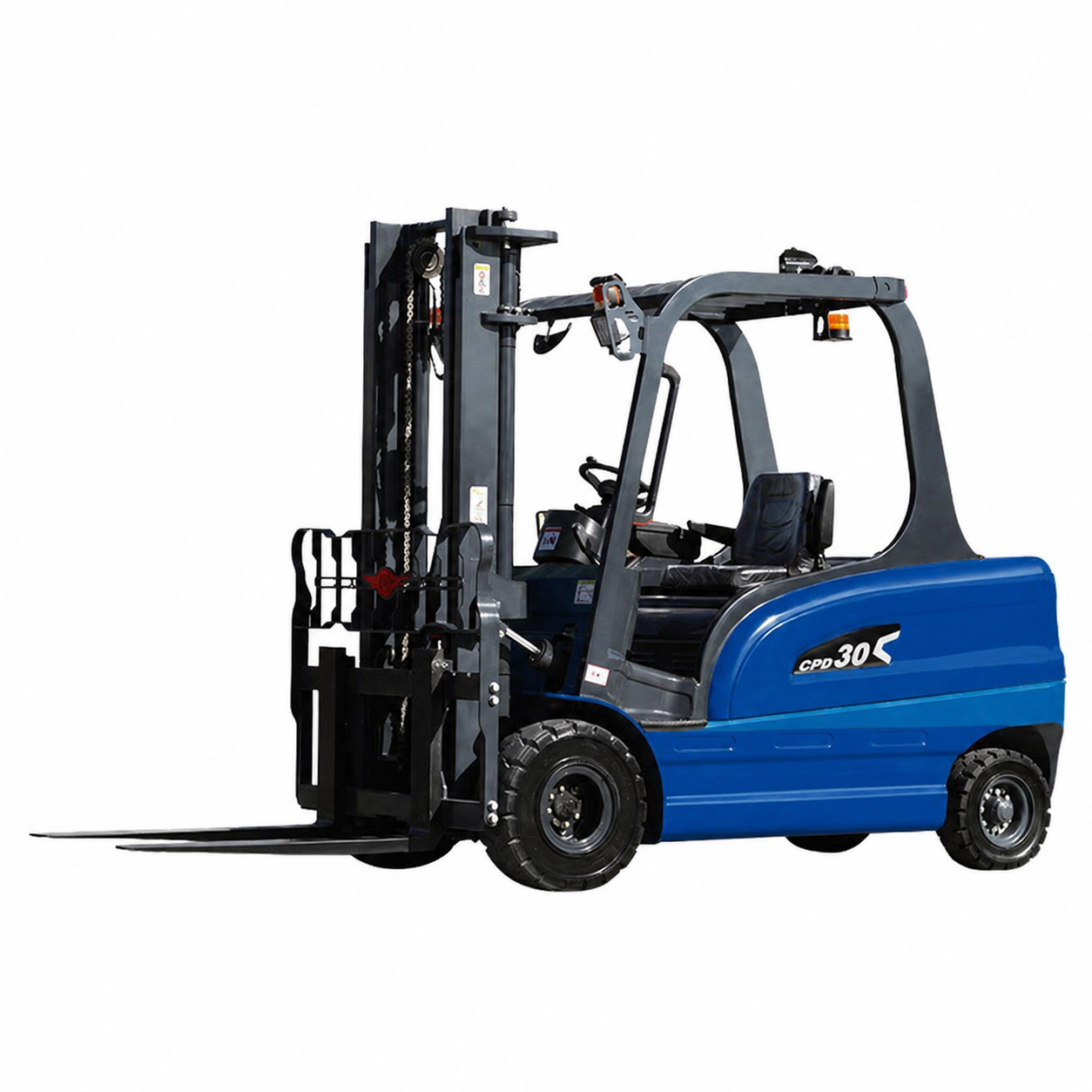
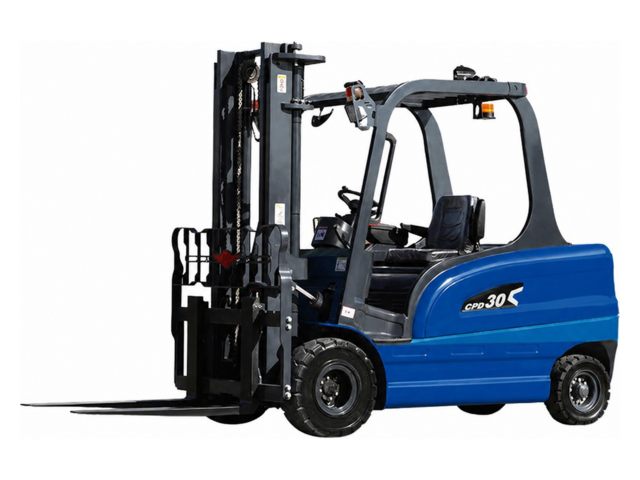
An electric forklift is powered by a rechargeable battery. Common battery options include lithium-ion batteries and lead-acid batteries.
Electric forklifts are widely used in warehouses, factories, food storage, logistics centers, supermarkets and production workshops. They are popular because they operate with no exhaust emissions at the point of use, lower noise and smooth handling.
Fangwei electric forklifts cover 1.5 to 10 ton capacity, with lithium-ion and lead-acid battery options. The electric forklift category page also lists lithium charging time, lead-acid charging time, battery life and lift height information, making it easier for buyers to compare models before requesting a quote.
What Is a Diesel Forklift?
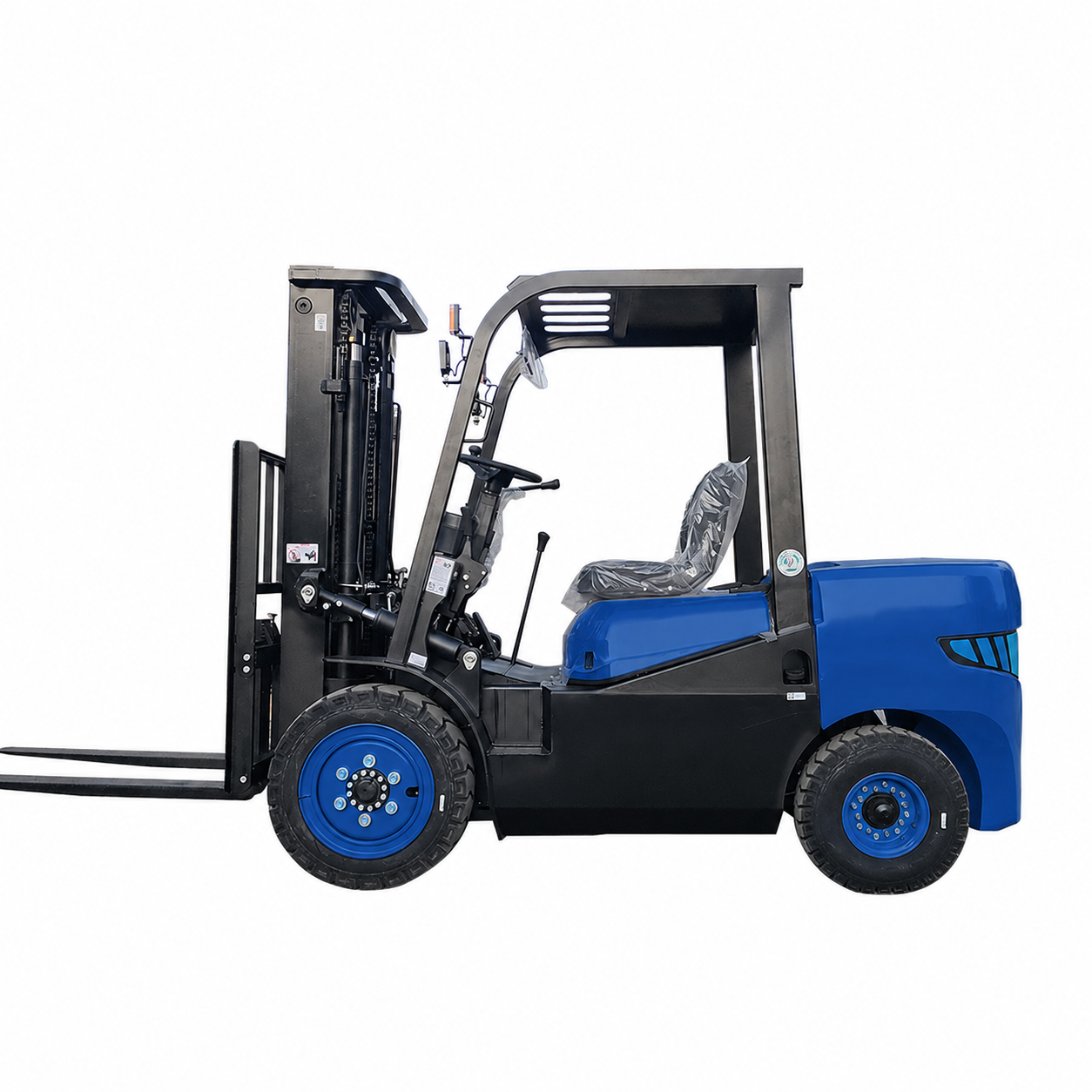
A diesel forklift uses a diesel engine as its power source. It is designed for heavy-duty material handling, especially outdoors.
Diesel forklifts are commonly used in construction sites, ports, outdoor yards, timber yards, steel plants, farms and large factories. They are suitable for buyers who need strong engine power, long working hours and quick refueling.
Fangwei diesel forklifts cover 1.5 to 10 ton capacity and are built for heavy loads, outdoor use and tough working conditions.
When Should You Choose an Electric Forklift?
An electric forklift is usually the better choice when your main working environment is indoors.
Choose an electric forklift if you need:
- Cleaner operation for warehouses or workshops
- Lower noise during daily operation
- A forklift for food, electronics, packaging or logistics facilities
- Lower long-term energy and maintenance cost
- Smooth operation in narrow aisles
- A solution with lithium-ion or lead-acid battery options
Electric forklifts are especially suitable for warehouse material handling. Toyota also notes that electric forklifts can offer lower operating costs, no fuel storage requirement and zero emissions during operation. This makes them attractive for indoor and controlled working environments.
When Should You Choose a Diesel Forklift?
A diesel forklift is usually the better choice for outdoor and heavy-duty work.
Choose a diesel forklift if you need:
- Strong power for heavy loads
- Outdoor operation on rougher ground
- Long working hours without waiting for battery charging
- Fast refueling
- Heavy-duty handling in yards, construction sites or factories
- Higher load capacity at a more economical upfront price
Diesel forklifts are commonly used in outdoor yards, construction material handling, container yards and large industrial sites. For buyers who do not have a stable charging area or who need continuous outdoor work, diesel can still be a practical choice.
Electric vs Diesel Forklift: Which Costs Less?
The answer depends on how you calculate cost.
A diesel forklift may have a lower upfront purchase price, especially for standard models. However, the long-term cost can include diesel fuel, engine oil, filters, fuel system maintenance and more regular engine-related service.
An electric forklift may cost more at the beginning, especially if it uses a lithium-ion battery. But it can reduce fuel-related expenses and engine maintenance. Electric models also do not require diesel storage.
For many warehouse buyers, electric forklifts can offer a better long-term cost structure. For outdoor heavy-duty buyers, diesel forklifts may still be more economical when power, endurance and refueling speed are more important than indoor cleanliness.
Lithium Battery or Lead-Acid Battery?
If you choose an electric forklift, you also need to choose the battery type.
Lithium-ion batteries usually charge faster, require less daily maintenance and can support more efficient operation. Lead-acid batteries usually have a lower upfront cost, but they need longer charging time and more regular maintenance.
Fangwei electric forklifts offer both lithium-ion and lead-acid options. On Fangwei’s electric forklift page, lithium charging time is listed as 1–2 hours, while lead-acid charging time is listed as 6–8 hours. This makes lithium a better option for buyers who need faster turnaround, while lead-acid can be suitable for buyers with lower initial budget.
Which Forklift Is Better for Indoor Warehouses?
For most indoor warehouses, electric forklifts are the better choice.
They are cleaner, quieter and easier to operate in narrow aisles. They are also suitable for warehouses where air quality, noise control and clean operation matter.
Common indoor applications include:
- Logistics warehouses
- Distribution centers
- Food warehouses
- Electronic workshops
- Packaging factories
- Retail storage centers
- Production lines
If your warehouse handles pallets indoors every day, an electric forklift is usually the first option to consider.
Which Forklift Is Better for Outdoor Work?
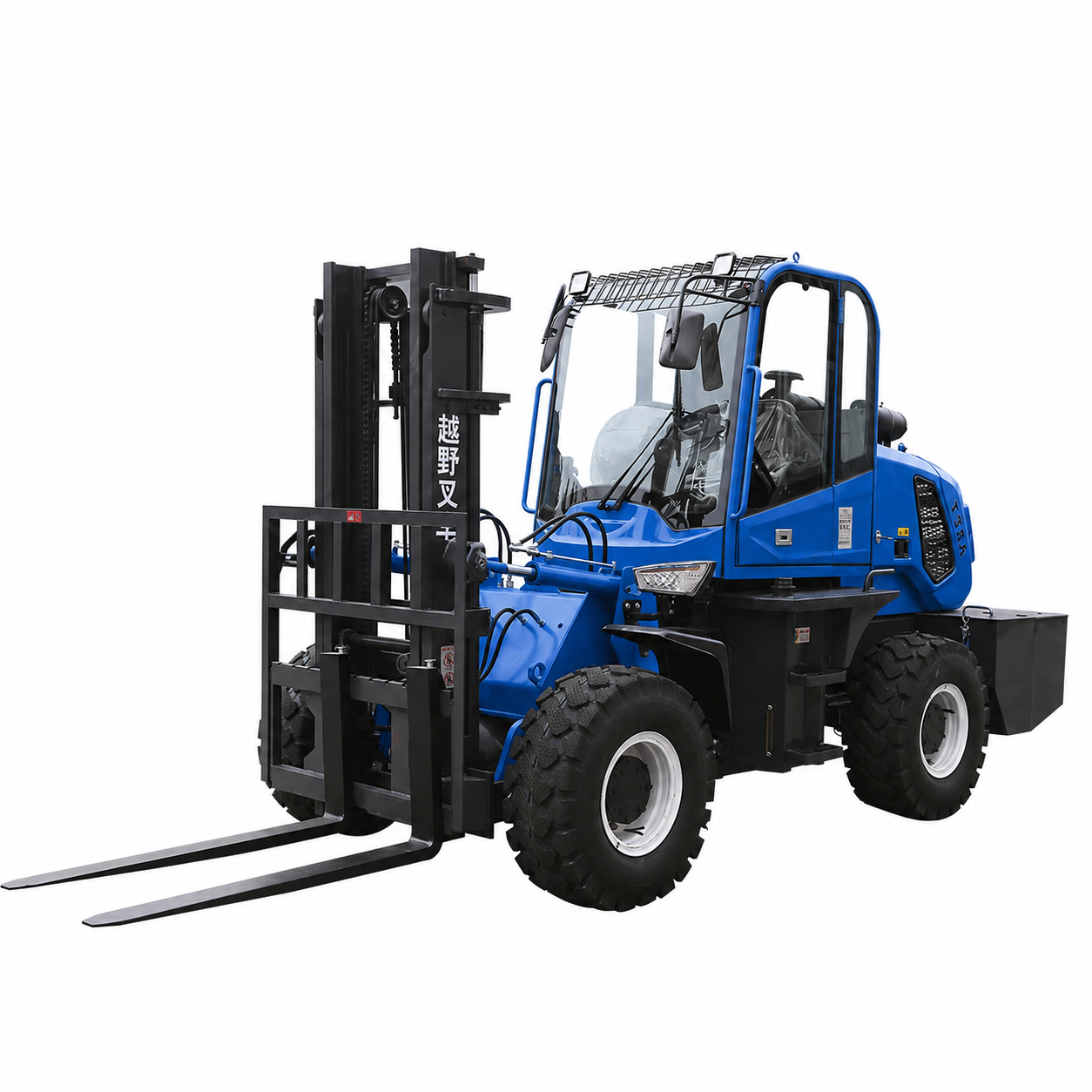
For outdoor work, diesel forklifts are still widely used.
They provide strong engine power and can work for long periods with quick refueling. They are suitable for:
- Construction sites
- Outdoor storage yards
- Steel and building material yards
- Container yards
- Timber yards
- Farms
- Rougher industrial environments
However, outdoor electric forklifts are also becoming more common when equipped with the right tires, protection and battery configuration. If your outdoor working ground is flat and your operation requires cleaner energy, an electric model may also be considered.
How to Choose the Right Forklift Capacity
Whether you choose electric or diesel, load capacity is one of the first things to confirm.
Common forklift capacities include:
- 1.5 ton forklift
- 2 ton forklift
- 2.5 ton forklift
- 3 ton forklift
- 3.5 ton forklift
- 5 ton forklift
- 7 ton forklift
- 10 ton forklift
A simple rule is: do not choose a forklift based only on the average load weight. You also need to consider pallet size, load center, lift height, working aisle width and attachment requirements.
For example, if your load is close to 2 tons, a 2.5 ton or 3 ton forklift may provide a safer operating margin depending on the working condition.
Electric Forklift vs Diesel Forklift: Buyer Recommendations
Choose Electric Forklift If:
- You work mainly indoors
- You want lower noise
- You need clean operation
- You handle pallets in warehouses or factories
- You want lithium or lead-acid battery options
- You have a stable charging area
- Your operation values lower daily maintenance
Choose Diesel Forklift If:
- You work mainly outdoors
- You need strong power for heavy loads
- You need fast refueling
- Your job site is dusty, rough or demanding
- You do not have a charging area
- You handle construction materials, steel, timber or containers
Final Recommendation
There is no single best choice for every buyer.
An electric forklift is usually better for indoor warehouses, clean factories and logistics centers. A diesel forklift is usually better for outdoor yards, heavy-duty material handling and long working hours.
Before buying, confirm these details:
- Load capacity
- Lift height
- Working environment
- Ground condition
- Daily working hours
- Charging or refueling conditions
- Battery preference
- Required certificates
- Shipping destination
- After-sales parts support
If you are not sure whether you need a diesel or electric forklift, Anxing can help you compare models and recommend the right solution based on your working conditions.