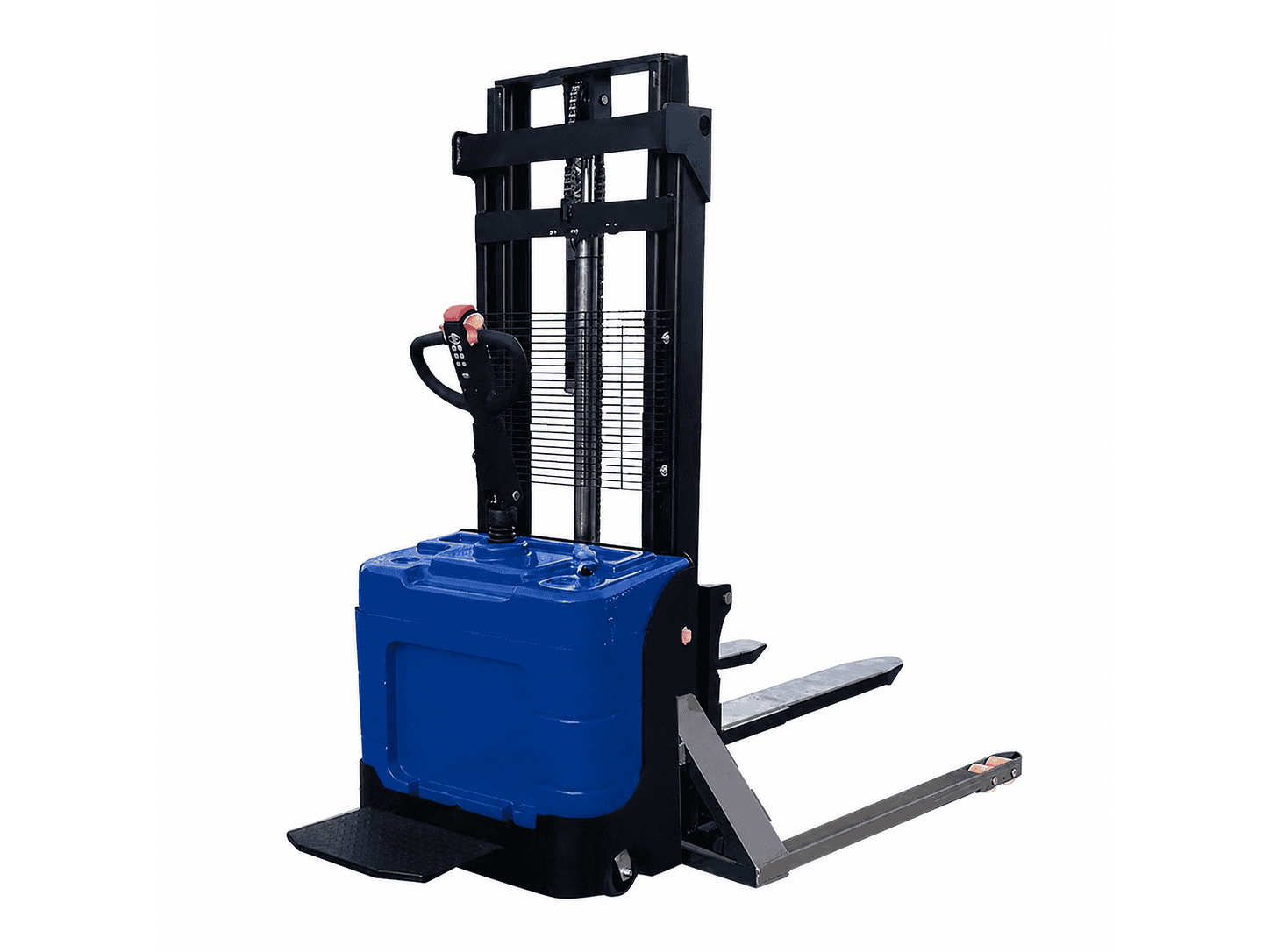
CDD-15-30

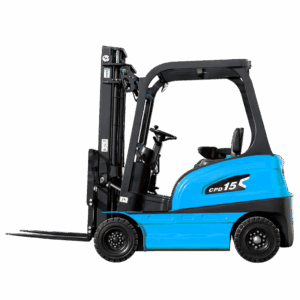 Montacargas eléctrico de 1,5 toneladas
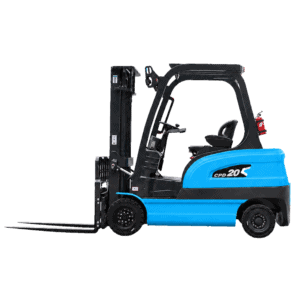 Montacargas eléctrico de 2 toneladas
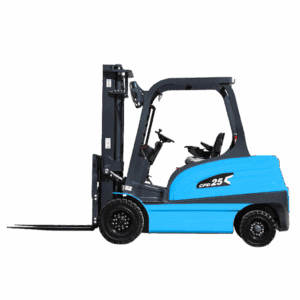 Montacargas eléctrico de 2,5 toneladas
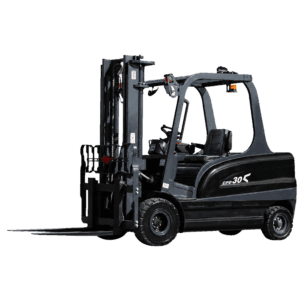 Montacargas eléctrico de 3 toneladas
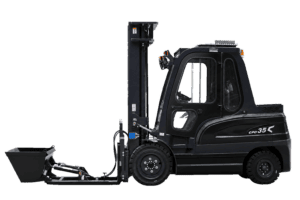 Carretilla elevadora eléctrica de 3,5 toneladas
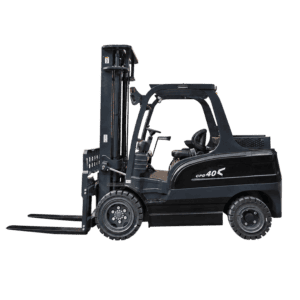 Montacargas eléctrico de 4 toneladas
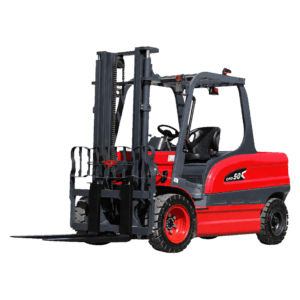 Montacargas eléctrico de 5 toneladas
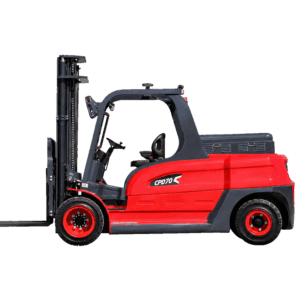 Montacargas eléctrico de 7 toneladas
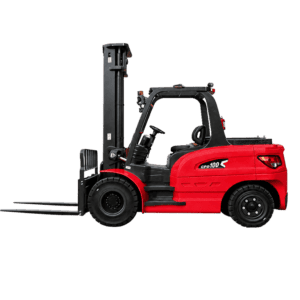 Montacargas eléctrico de 10 toneladas
CDD-1,5T-2T
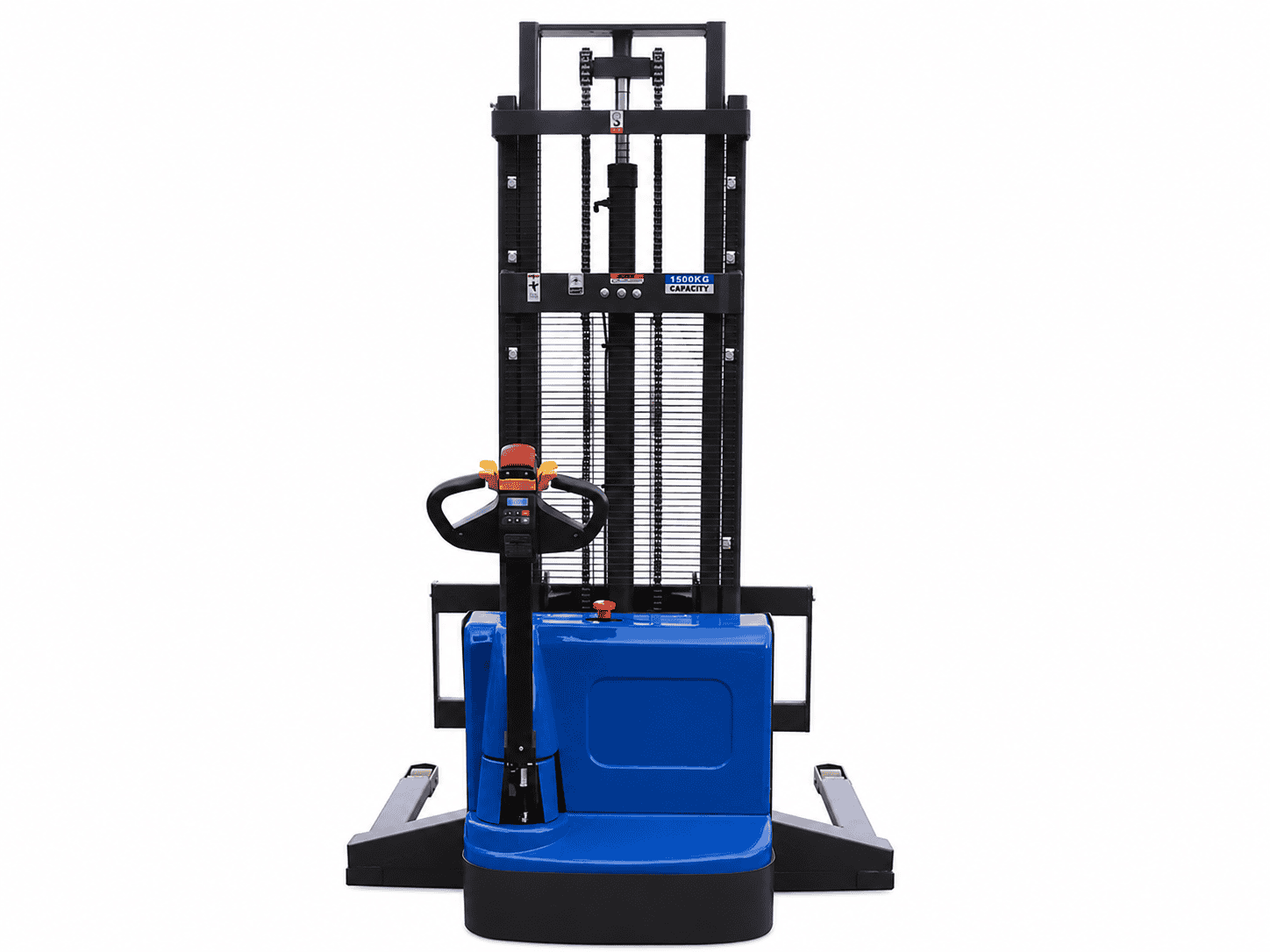
Las apiladoras eléctricas de paletas con operador a pie de Anxing, de 1,5 a 2 toneladas, ofrecen una altura de elevación de 3,5 m y un sistema de control compacto para la manipulación de paletas en almacenes.
| Especificaciones | Unidad | Valor |
|---|---|---|
| Capacidad de carga nominal | kg | 1,500–2,000, configurable |
| Tipo de funcionamiento | — | Walkie |
| Altura de elevación | mm | 3,500 |
| Potencia del motor de accionamiento | kW | 1.5 |
| Potencia del motor de elevación | kW | 2.2 |
| Radio de giro | mm | 1,688 |
| Distancia al suelo | mm | 90 |
| Configuración del mástil | — | Single-Chain Lift |
| Dimensiones de la horquilla | mm | 50 × 160 × 1,150–1,200, customizable |
| Longitud total | mm | 1,850–1,970, depending on configuration |
| Ancho total | mm | 790–850, depending on configuration |
| Altura total | mm | 1,580 |
| Peso operativo | kg | 550–590, depending on configuration |
| Configuración personalizada | — | Load capacity, fork length and overall configuration can be matched to the pallet-handling application |
Especificaciones y documentos del producto
¿Necesitas una hoja de especificaciones actualizada o documentos específicos de un modelo? Indica en tu consulta los archivos que necesitas y el mercado de destino.
The Anxing CDD-1.5T-2T is a walkie electric pallet stacker designed for pallet transport, rack replenishment and short-distance stacking in warehouses, workshops and production storage areas. The operator walks behind the machine rather than riding on a platform, helping keep the overall truck compact for applications where travel distances are relatively short and maneuvering space is limited.
Available with rated capacities of 1,500 kg and 2,000 kg and a 3,500 mm lift height, this model is suitable for buyers who need more lifting capability than a powered pallet truck but do not require the size or travel performance of a counterbalanced forklift.
Typical applications include:
The correct configuration should always be selected around the actual pallet, load, storage height and warehouse route rather than rated capacity alone.
A walkie stacker is most practical when pallet travel is relatively short and the operator needs to combine transport with vertical stacking.
Compared with a stand-on stacker, the walk-behind operating layout avoids the need for an operator platform and can be a practical choice for compact storage areas, intermittent pallet movements and shorter warehouse routes. For operations involving frequent long-distance travel or high daily throughput, a platform or stand-on electric stacker may be more suitable.
Compared with a counterbalanced electric forklift, a walkie pallet stacker is more compact and focused on palletized warehouse work. A forklift may be the better choice when the operation requires faster travel, frequent dock work, non-palletized loads or more flexible load handling.
The decision should therefore be based on the complete workflow:
This electric walkie stacker is available with 1,500 kg and 2,000 kg rated-capacity configurations. The higher nominal capacity should not automatically be selected simply because it offers a larger number.
Start with the heaviest pallet the machine will actually handle, then confirm its dimensions, load center and required stacking height. Capacity available at height can differ from the nominal rating, particularly when the load center, fork configuration or lifting requirement changes.
For operations regularly handling loads close to the selected machine’s rated limit, provide Anxing with the maximum load rather than the average pallet weight. This allows the final configuration to be checked before quotation.
The 3,500 mm lift height makes the CDD-1.5T-2T suitable for many low- and medium-level pallet storage applications, but rack beam height and available clearance should be measured before ordering.
Choosing a walkie electric stacker by capacity and lift height alone can result in a machine that does not fit the actual pallet or warehouse route.
The CDD-1.5T-2T has an overall width of approximately 790–850 mm depending on configuration and a listed turning radius of 1,688 mm. These dimensions help make the machine compact, but they do not by themselves determine the minimum working aisle.
Actual aisle requirements also depend on:
Pallet construction should be checked at the same time. Fork length can be configured around the application, but bottom boards, fork pockets and pallet entry dimensions can affect whether a particular pallet works correctly with the stacker.
Before ordering, send Anxing the pallet dimensions or pallet drawing together with the narrowest working aisle. We can review the proposed stacker configuration against the application.
For faster model confirmation, provide the following information with your inquiry:
These details allow the CDD-1.5T-2T configuration to be reviewed around the real warehouse application rather than quoting only from nominal capacity.
Una apiladora eléctrica de paletas con operador a pie es un vehículo motorizado de almacén que permite al operador caminar detrás de la máquina mientras esta transporta y eleva paletas. Combina desplazamiento y elevación motorizados en un diseño compacto, ideal para la manipulación y el apilamiento de paletas en distancias cortas.
Estos términos se utilizan a menudo para describir el mismo concepto de funcionamiento: el operador controla la apiladora mientras camina detrás de ella, en lugar de ir sentado en una plataforma. Las especificaciones de los productos siguen variando considerablemente, por lo que se deben comparar la capacidad, la altura de elevación, la disposición de las horquillas y las dimensiones, en lugar de basarse únicamente en el nombre del producto.
Una apiladora con operador a pie suele ser más adecuada para distancias de desplazamiento cortas, áreas de trabajo compactas y una frecuencia de manejo moderada. Una apiladora con operador de pie resulta más atractiva cuando los operadores deben recorrer distancias más largas o mover paletas con mayor frecuencia, ya que el operador puede ir a bordo de la máquina. La mejor opción depende de la longitud de la ruta, el rendimiento, las dimensiones de los pasillos y la capacidad requerida.
No existe una medida única de ancho de pasillo que se aplique a todas las operaciones. El radio de giro es solo una parte del cálculo. También se deben considerar la longitud del palete, la orientación de la carga, la disposición de las estanterías y el espacio libre necesario para maniobrar. Envía las dimensiones del palete y el pasillo más estrecho a Anxing para que se pueda revisar la aplicación antes de realizar el pedido.
Compatibility depends on the pallet's dimensions, fork-entry direction and underside construction. Standard pallet dimensions alone do not guarantee compatibility. Buyers should provide the pallet specification or drawing so fork length, spacing and support-leg clearance can be checked.
Not every support-leg stacker is compatible with every closed-bottom pallet. Bottom-board arrangement and fork/support-leg geometry must be checked before purchase. If closed-bottom or non-standard pallets are used, send a pallet drawing or clear underside photos with your inquiry.
It can be suitable when the required pallet placement height is within the machine's confirmed working range. Buyers should provide the highest rack beam or pallet position, pallet height, load weight and required clearance so both lift height and usable capacity can be checked.
Walkie stackers are primarily suited to relatively short pallet-transfer routes. If operators repeatedly travel long distances or complete a high number of cycles per shift, a stand-on stacker or another powered material-handling truck may provide better productivity and operator efficiency.
Do not compare price and rated capacity alone. Check rated and residual capacity, lift height, pallet compatibility, fork dimensions, turning requirements, overall dimensions, duty cycle, floor conditions, charging requirements, service support and the exact supplied configuration.
Configuration options can be reviewed according to the application. Provide your required capacity, pallet dimensions, fork requirements and operating conditions so available options can be confirmed in the quotation.