Puntos clave
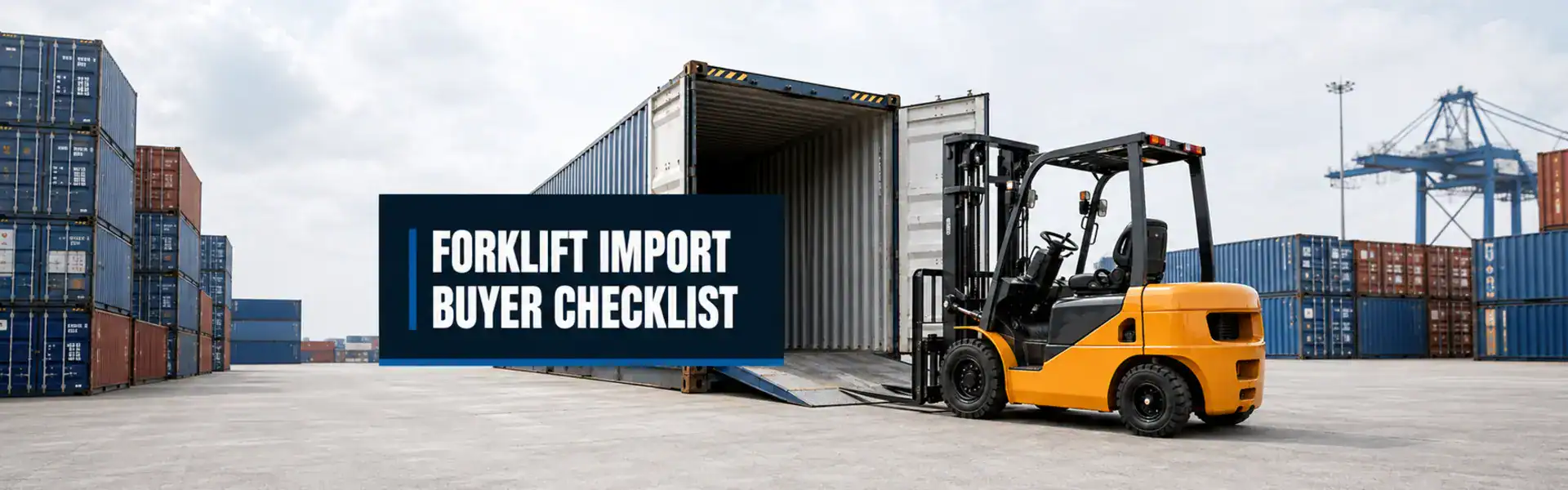
- Import a forklift from China only after the application, exact configuration, destination compliance, inspection criteria, Incoterm and landed-cost responsibilities have been confirmed in writing. Use the same approved specification from quotation through inspection, loading, customs clearance and commissioning.
A low unit price is not yet a comparable offer. The quotation must identify the forklift, mast, forks, tires, power system, battery and charger or engine, attachments, documents, packing, Incoterm and named place. The landed-cost calculation must also include freight, insurance, port and broker charges, duties and taxes, inland delivery, unloading, commissioning and any work needed before the truck can legally and safely enter service.
1. Define the Forklift and Import Requirement Before Requesting Prices
Two buyers asking for a “3-ton forklift” may need materially different machines. One may handle 1,200 mm pallets on a smooth warehouse floor for a single shift; the other may move long loads outdoors, use an attachment and climb a gradient. Their capacity at height, mast, tires, power system, visibility, aisle and transport requirements will not be the same.
Create an application sheet before contacting suppliers. Record the maximum load including pallet or fixture, load dimensions, weight distribution, required lift height, lowest doorway, available aisle, surface, slope, operating hours, shift pattern and attachment needs. If these inputs are not yet defined, use the Guía de selección de montacargas Anxing to establish capacity, mast, power and access requirements first.
Add the destination country, final delivery address and intended use. Import rules can depend on whether the truck is electric or engine-powered, new or used, sold for workplace use or incorporated into another project. Ask a qualified broker to review the expected customs classification, import restrictions, taxes and filing requirements for the exact configuration. A tariff code or duty rate used for another forklift or another country is not sufficient evidence for your shipment.
2. Verify the Supplier and Make Quotations Comparable
Supplier verification should establish who will sign the contract, receive payment, manufacture or assemble the truck, issue the export documents and handle technical claims after delivery. Compare the legal company name, registered address, bank beneficiary, quotation header and contract party. Ask for a live factory or inventory video when appropriate, and make the supplier show the product family, production or inspection process, nameplate format and packing area rather than only a showroom machine.
Certificates should be checked as documents, not logos. Confirm the certificate holder, product scope, model coverage, referenced requirements, issue and expiry details where applicable, and the issuing body. A management-system certificate does not by itself prove that a particular forklift configuration satisfies the destination market’s product requirements.
| Quotation item | What the buyer should require | Risk if left generic | Acceptance evidence |
|---|---|---|---|
| Machine identity | Exact model, rated capacity, load center and configuration code | A similar but different truck may be produced or shipped | Signed specification sheet, nameplate draft and order reference |
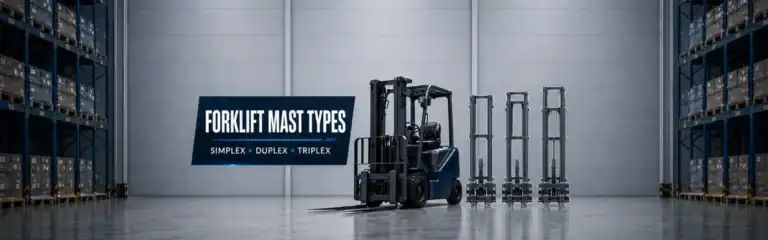
| Mast and forks | Mast type, lift height, lowered height, free lift and fork dimensions | The truck may not enter the site or reach the intended rack position | Approved drawing and configuration-specific data |
| Power system | Battery chemistry, voltage, capacity and charger input, or exact engine identity | Charging incompatibility, insufficient duty capability or import noncompliance | Component labels, data sheets and required transport or emission records |
| Options and attachments | Tires, side shift, fork positioner, cabin, lights and other agreed items | Price comparisons cover different equipment and attachment effects are missed | Itemized contract, photos and functional inspection |
| Trade scope | Incoterm version, named place, packing, loading, freight, insurance and document scope | Unbudgeted charges or disputes over handover and risk | Itemized pro forma invoice and logistics responsibility matrix |
| After-sales package | Manuals, parts list, initial spares, claim route and agreed support terms | The buyer receives a truck but cannot maintain or document it properly | Contract schedule and document index |
3. Freeze the Exact Configuration in the Contract
Do not let the purchase contract describe only capacity, fuel type and lift height. Attach a signed technical schedule to the contract or purchase order. It should identify the rated load and load center, mast arrangement, capacity at the required height where relevant, fork size, tires, attachment, operator compartment, powertrain, battery and charger or engine, electrical standard, paint and markings, manuals, included tools and spare parts.
Record which changes require written buyer approval. A substitute battery, charger, engine, controller, mast or tire can affect performance, transport documentation, conformity evidence and service parts. “Equivalent” should not permit an uncontrolled component change after the order is placed.
Define document language and nameplate content before production. The machine identity in the nameplate, declaration, commercial invoice, packing list, inspection report and bill of lading description should be consistent. Decide how individual units will be traced in photos and inspection records, using the model and serial number once assigned.
4. Confirm Destination Compliance Before Paying the Deposit
The importer should not wait until the forklift reaches port to ask whether it can be placed on the market or used at the destination. Send the proposed model, engine or battery details, intended use and supplier documents to the responsible broker or compliance adviser before the order is finalized.
European destinations
For EU or EEA placement on the market, confirm the applicable machinery requirements, conformity assessment route, declaration, CE marking, technical documentation responsibilities and instructions required for the destination. Do not accept a generic “CE certificate” without checking whether its scope and model references correspond to the ordered forklift. Also determine the importer’s own identification and record-keeping obligations.
United States destinations
For a diesel or other engine-powered truck entering the United States, confirm the nonroad-engine emissions route, engine label and current import declaration requirements with the broker and the responsible authority. An electric forklift avoids an internal-combustion engine issue, but that does not remove customs, workplace, electrical, battery, labeling or local approval responsibilities.
Lithium-battery forklifts
Battery-powered equipment requires early freight review. Provide the forwarder with the installed battery’s chemistry, model, watt-hour rating, mass and configuration. Confirm that the battery type has passed the applicable UN 38.3 tests and that the required test summary and other carrier-requested safety information are available. The freight forwarder or dangerous-goods specialist should determine the correct transport classification, packing, marking, declaration and carrier acceptance for the actual sea, air or multimodal route.
These examples are not a complete country checklist. Other markets may require different conformity marks, local representatives, emissions evidence, import permits, language versions or inspections. The buyer should obtain a written destination checklist for the exact truck rather than asking the supplier whether the forklift is “international standard.”
5. Calculate Landed Cost and Choose the Trade Term Deliberately
Incoterms define selected delivery tasks, costs and risk transfer between seller and buyer; they do not replace the sales contract, determine product compliance or automatically show the final landed cost. Write the selected Incoterms 2020 rule together with a precise named port, terminal, city or address. “FOB China” or “CIF your country” is too vague for cost control.
Under an origin-based quotation, the buyer usually gains more control over freight but must manage more of the route. A term that includes main carriage can simplify coordination, yet the buyer must still identify destination terminal, broker, duty, tax, delivery and unloading charges that are outside the quoted scope. DAP and DDP can move more responsibility toward the seller, but the buyer should verify that the proposed party can legally and practically complete import formalities and that the quote states what happens at unloading.
Build a landed-cost worksheet with separate lines for the machine and options, export packing or disassembly, origin transport and terminal handling, documentation, sea or land freight, dangerous-goods surcharge if applicable, cargo insurance, destination terminal and handling fees, customs broker, duty, taxes, examination or storage risk, inland delivery, unloading, assembly, commissioning, operator training and initial spares. Keep a contingency for charges that depend on inspection, delay or local handling, but do not hide an incomplete quote inside one arbitrary percentage.
6. Link Payment Milestones to Verifiable Progress
Payment structure should reflect order value, customization, supplier history and the protection available in the chosen transaction method. Whatever the commercial arrangement, write the milestones into the contract. Separate the deposit, production completion, inspection acceptance, shipping-document release and any retained amount if one is negotiated. Do not release a balance merely because the supplier sends undated photos of a similar machine.
Create the pre-shipment inspection checklist when the order is placed. The supplier and any independent inspector need the same acceptance criteria. For a forklift, inspection may cover:
- model, serial number, nameplate, labels and ordered quantity;
- overall condition, paint, welds, leaks, hoses, connectors and visible damage;
- mast, fork, chain, attachment and guard configuration against the approved order;
- steering, braking, travel, lift, tilt, horn, lights, display, interlocks and emergency functions within a controlled test;
- battery, charger and component labels, or engine identity and emissions labeling where applicable;
- tires, tools, loose parts, manuals, parts lists and ordered spare parts;
- key dimensions and configuration-specific data where they are critical to site access;
- packing method and consistency between machine identity and documents.
An inspection is evidence of agreed checks at a point in time; it is not a substitute for destination conformity assessment, safe commissioning or the manufacturer’s operating instructions. State who may correct findings, how reinspection works and what evidence closes each nonconformity.
7. Approve the Shipping and Container-Loading Plan
Ask for the configured forklift’s net weight, gross shipping weight, transport dimensions, center-of-gravity or securing guidance where available, and a packing drawing. Confirm whether the mast, overhead guard, forks, battery or attachment will be removed, and who will reassemble and inspect those parts after arrival. Container selection must be based on the packed configuration and loading method, not only the assembled catalog dimensions.
El Anxing shipping and delivery process covers shipment details, protective packing, loading checks and export-document coordination. The final order still needs a shipment-specific plan that identifies the responsible freight forwarder, carrier acceptance, port cutoffs, insurance, loading equipment and destination unloading method.
Before the container is sealed, verify that it is clean, dry and visibly fit for the cargo; the correct truck and loose items are loaded; forks and removable parts are protected; fluids, battery condition and transport switches are handled as required; wheels and chassis are blocked and secured by competent personnel; and weight distribution is suitable. Obtain photos showing the machine identity, packing, securing, container number and seal number.
If raw-wood crates, blocks or dunnage are used, confirm whether the destination requires ISPM 15-compliant treatment and marking. Processed wood materials may be treated differently, but the forwarder and destination agent should approve the actual packing material before loading.
8. Build One Consistent Customs and Handover File
The document package commonly begins with a commercial invoice, packing list and bill of lading or other transport document. Depending on the destination, trade arrangement and machine, it may also include a certificate of origin, insurance record, conformity declaration, inspection record, engine-emissions evidence, battery transport information, manuals, serial-number list and other permits or statements.
Have the broker review drafts before the vessel departs. Product descriptions, quantities, values, weights, model references, consignee details and Incoterm should agree across documents. The invoice should describe the machinery precisely enough for clearance rather than using “equipment” or “machine parts.” The packing list should separate the forklift, attachments, batteries, chargers, spare parts and packages so the arrival team can verify what was received.
Control original documents and release timing. Decide whether the shipment uses an original bill of lading, telex release, sea waybill or another permitted method, and make sure the consignee can obtain the cargo without a last-minute document gap. Keep the signed specification, inspection evidence and correspondence with the customs file; these records may be needed long after delivery.
How Anxing Forklift Classes Affect Import Planning
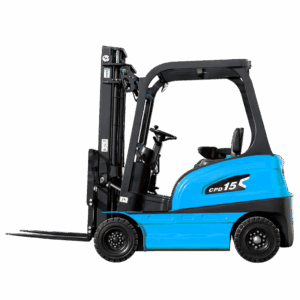
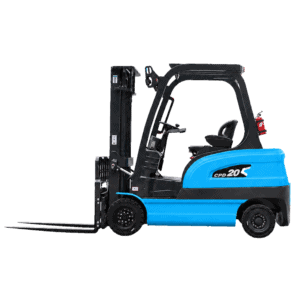
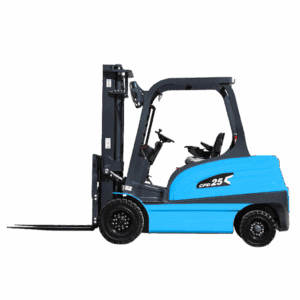
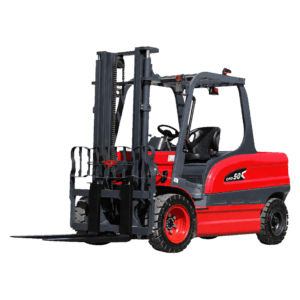
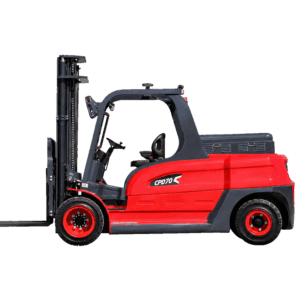
The import workflow is similar across forklift types, but the controlling documents and logistics inputs change with the power system, dimensions and jobsite. Anxing’s current electric forklift range includes a 1.5–3.5 ton counterbalance class with a published 3,000 mm standard lift. Its battery and charger configuration must be confirmed for the duty cycle, destination electrical supply and transport route.
For tighter warehouse layouts, the 1.2–2 ton 3-wheel electric forklift creates a different specification and access review. Buyers must compare the quoted turning and aisle requirement with the actual pallet and site rather than assuming that every three-wheel model will fit.
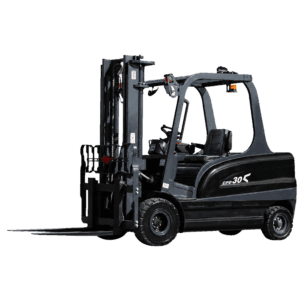
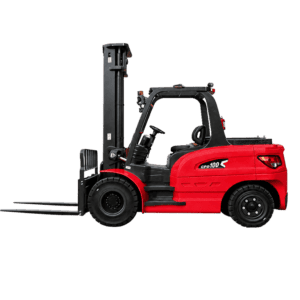
El Anxing diesel forklift range adds engine identity, destination emissions requirements, fuel system and engine-service parts to the import checklist. The current 2–3.5 ton diesel range publishes a 3,000 mm standard lift and configurable lift options, but the final mast, engine and transmission must be stated in the order.
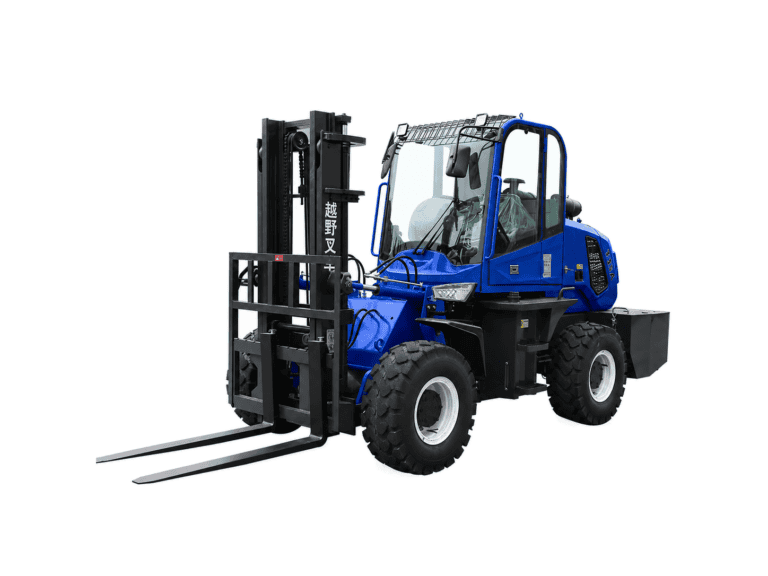
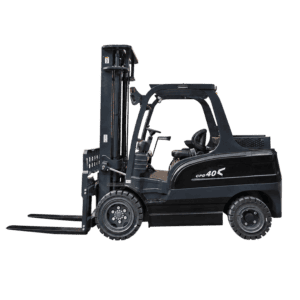
For uneven outdoor ground, rough-terrain forklifts require equal attention to shipping dimensions, tire configuration and destination engine requirements. Anxing’s 2–3.5 ton rough-terrain class is published as 4WD with 180–230 mm ground clearance depending on configuration. Those class figures help form a shortlist; the final quotation and transport plan must use the selected machine.
A 12-Step Forklift Import Checklist
- Define the application. Record load weight and geometry, lift height, aisle, surface, gradient, duty cycle, power preference and attachments.
- Confirm the destination route. Give a broker the proposed forklift type, power system, origin, value and end use for classification and import review.
- Prequalify the supplier. Match legal identity, contract party, bank beneficiary, production role, document capability and support contact.
- Issue one RFQ sheet. Send every supplier the same technical, compliance, delivery and document requirements.
- Normalize the quotations. Compare the same mast, forks, tires, battery or engine, options, packing, Incoterm and named place.
- Verify destination evidence. Review model coverage, labels, declarations, instructions, engine documents and battery transport records before deposit.
- Sign the configuration schedule. Attach the exact specification and require written approval for substitutions.
- Agree payment and acceptance. Connect milestones to production evidence, inspection results and shipping documents.
- Inspect the finished machine. Verify identity, configuration, functions, condition, accessories and document consistency before packing.
- Approve loading. Confirm carrier acceptance, packing, securing, container condition, machine identity and seal evidence.
- Pre-clear the documents. Let the destination broker review invoice, packing list, transport document and supporting compliance records before arrival.
- Plan receipt and commissioning. Arrange unloading, damage inspection, reassembly, local checks, trained operation, maintenance records and the agreed claim route.
What to Send Anxing for an Import-Ready Forklift Quote
A useful inquiry should enable technical selection and import planning at the same time. Send:
- maximum load weight, dimensions, load center and any attachment;
- required lift height, mast-lowered limit, free-lift need and fork dimensions;
- aisle, doorway, turning, floor, gradient and indoor or outdoor conditions;
- operating hours, shifts, charging windows or fuel and emissions constraints;
- preferred electric, diesel, three-wheel or rough-terrain format, if already decided;
- destination country, port or city, final delivery address and unloading conditions;
- quantity, preferred Incoterm and whether your own forwarder or broker will be used;
- required markings, declarations, manuals, inspection, spare parts and document language;
- any container, inland transport, site-access or commissioning constraints.
Anxing can then identify relevant forklift classes, itemize the proposed configuration and coordinate the export-side shipping information within the agreed order scope. The buyer should approve the final specification, destination requirements, customs route and landed-cost worksheet before production begins, then use the same documents for inspection, loading, clearance and commissioning.